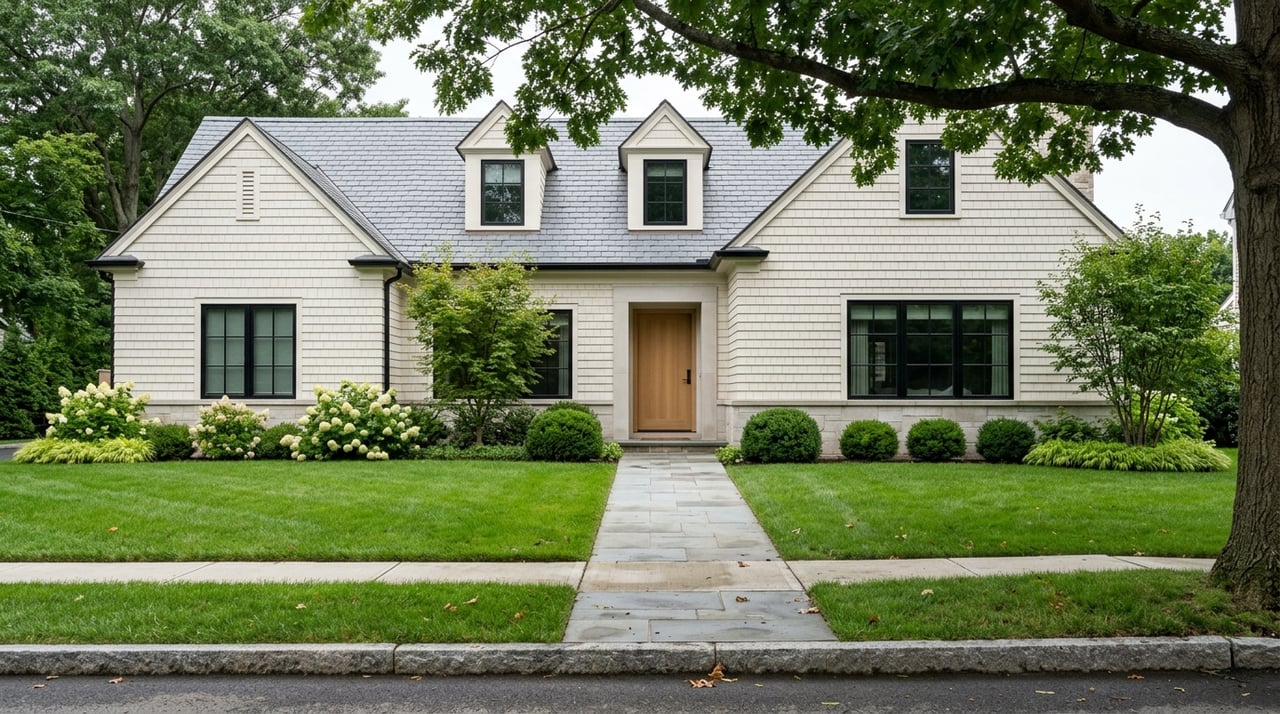
If you are considering Glencoe, you are probably trying to answer a bigger question than square footage alone: what does daily life actually feel like here? That is a smart place to start, especially in a village where architecture, open space, transit, and the lakefront all shape how you move through the week. This guide will help you understand Glencoe’s housing styles, neighborhood patterns, and seasonal rhythm so you can picture how the village may fit your lifestyle. Let’s dive in.
Why Glencoe Feels Distinct
Glencoe feels compact and defined, not spread out. Village planning materials describe the downtown area as a central part of civic and cultural life, and the community’s edges are shaped by Lake Michigan, the Edens, nearby preserves, and neighboring communities.
That matters when you are looking at homes. In Glencoe, growth tends to happen through reuse, subdivision, infill, or replacement rather than outward expansion, which helps explain why the village often feels established, layered, and closely tied to its existing streets and homes.
Glencoe’s Daily Rhythm
One of the most useful ways to understand Glencoe is to think in seasons. The village has a clear warm-weather and cold-weather cadence, and that rhythm shows up in how residents use local amenities.
Summer Centers on the Lakefront
In summer, Glencoe Beach becomes a major destination. The Glencoe Park District lists the beach season from Memorial Day weekend through Labor Day, with regular-season hours from 10 a.m. to 8 p.m., along with lifeguards, a beach house, kayak and paddleboard rentals, volleyball courts, and beach-cart service.
That setup gives the lakefront a practical role in daily life, not just a scenic one. If you picture summer afternoons near Lakefront Park or easier access to beach activities as part of your routine, location within the village may matter more than you first expect.
Cooler Months Shift to Parks and Recreation
Outside beach season, the village’s pace changes. The Park District’s Connect Glencoe path links five parks between Maple Hill and Park Avenue, while Duke Park includes a playground, sprayground, and walking path.
In colder months, the Weinberg Family Recreation Center adds another layer with skating, hockey, pickleball, and a winter sledding hill. In practical terms, Glencoe supports an active lifestyle year-round, but the setting shifts from lakefront recreation in warm weather to neighborhood walking and indoor or winter recreation later in the year.
Glencoe Housing Styles at a Glance
Glencoe is not a one-style housing market. According to the village’s residential design guidelines, the community is known for a diverse mix of architectural styles that reflect different eras of development.
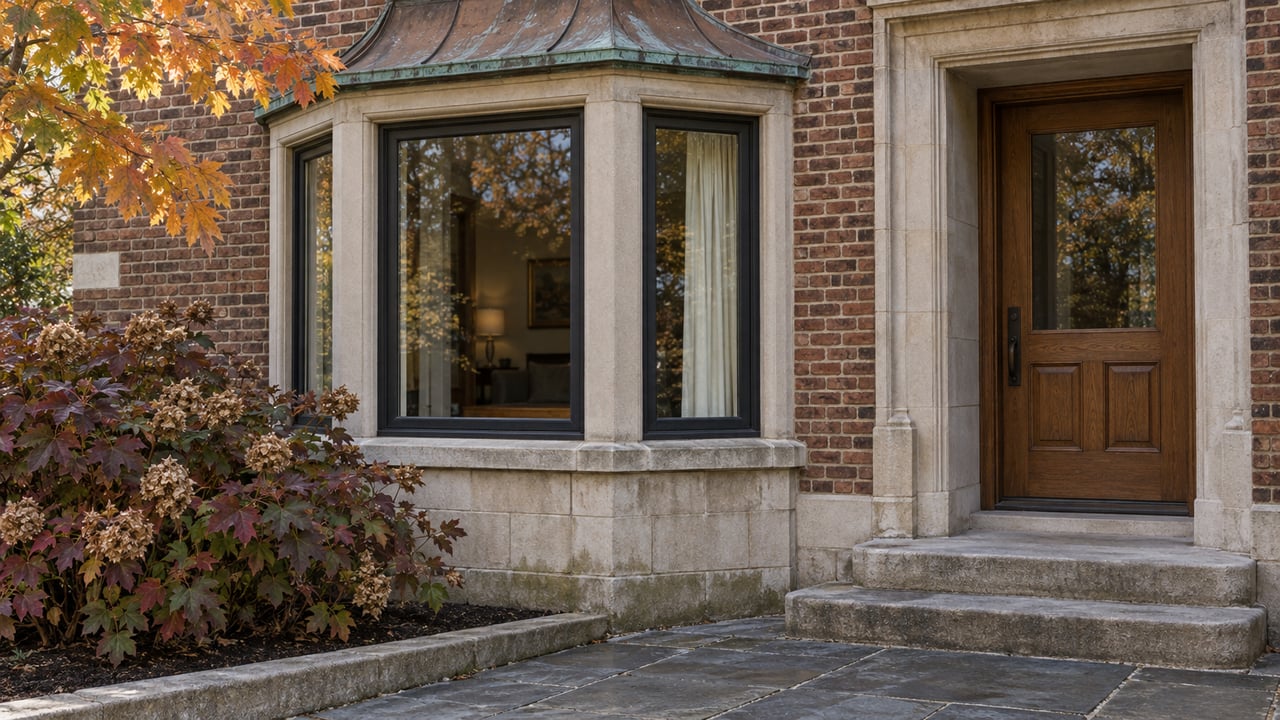
You can find early homes in Italianate, Second Empire, and Queen Anne styles, along with later Colonial, Georgian, Tudor, Italian Renaissance, French Eclectic, and Dutch Colonial Revival homes. The same guidelines also identify Prairie School, Craftsman, International, Contemporary, and Post-Modern examples.
For buyers, that variety creates real choice. Instead of one dominant look, Glencoe offers a wide design range that can appeal to people who value historic detail, practical layouts, or newer, more contemporary spaces.
How Layout Changes by Area
Architecture is only part of the story. The feel of a home also depends on how streets, lots, and nearby open space shape the setting around it.
East Glencoe
The village guidelines describe East Glencoe as having curving streets and medium-sized lots. That layout can create a more organic, wooded feel, especially for buyers who are drawn to mature surroundings and an established streetscape.
South Glencoe
South Glencoe is described as a more formal grid with smaller, narrower lots and tighter setbacks. For some buyers, that means a more traditional village pattern where homes sit closer together and the street layout feels more structured.
West Glencoe
West Glencoe includes medium-to-large lots and is surrounded by open space such as the Glencoe Golf Club, the Chicago Botanic Garden, and the Skokie Lagoons. That setting can feel more open and park-adjacent, which may appeal if you want a strong connection to green space.
Notable Home Types and Subdivisions
Some parts of Glencoe are especially known for their architectural identity. These areas help show just how broad the village’s housing mix really is.
Ravine Bluffs and Design History
Ravine Bluffs includes six Frank Lloyd Wright residences, along with Wright-designed markers and bridge work. For buyers interested in architectural pedigree and neighborhood character, this is one of the clearest examples of Glencoe’s design legacy.
Tudor, Ranch, and Split-Level Options
Skokie Heights and Skokie Ridge began with Tudor Revival homes and later added ranch and split-level houses. That mix can attract buyers who appreciate classic exterior character but also want practical floor plans associated with mid-century living.
Modernist Homes in Glencoe
Keck and Keck homes are known for flat roofs, skylights, and floor-to-ceiling windows. These homes stand out for buyers who prefer a more modern design language and a stronger connection between indoor and outdoor space.
Bi-Level and Tri-Level Homes
Strawberry Hill is associated with bi-level and tri-level homes. For some buyers, these layouts can offer a different approach to space planning than either historic homes or new construction.
Newer Infill and Subdivision Homes
The village guidelines also describe newer lakefront infill and late-1990s or 2000s subdivision homes as either modern with clean lines and large windows or more traditional with brick, stone, and stucco. If you want newer construction in Glencoe, the housing stock still offers more than one design direction.
What This Means for Buyers
If you are early in your search, Glencoe can be helpful to think about in three broad categories. First, there are homes that appeal to buyers seeking architectural significance and mature lots. Second, there are homes that offer more practical single-level, split-level, or multi-level everyday living. Third, there are newer homes that lean toward contemporary layouts or updated traditional finishes.
That range is part of what makes Glencoe compelling. You are not limited to one housing era or one neighborhood pattern, even within a relatively small village.
Downtown Glencoe and Civic Life
Glencoe’s village center plays an important role in daily life. Village planning materials describe the Central Business District as the place where civic and cultural activity is concentrated, which helps explain why downtown carries more weight here than in some larger suburbs.
Writers Theatre is a strong example. Its downtown Glencoe facility opened in 2016 at 325 Tudor Court, and the theater notes that the building is fully ADA accessible with free parking in the Tudor Court lot and nearby street parking.
The Glencoe Public Library and Glencoe Historical Society add to that village-scale feel. The library is located at 320 Park Avenue and offers weekday evening hours plus weekend hours, while the Historical Society at 375 Park Avenue features exhibits, docent tours of Ravine Bluffs, and a Black Heritage exhibit.
For buyers, these places help define Glencoe as more than a bedroom community. They support an everyday pattern where culture, local history, and civic life are visible and close at hand.
Open Space Beyond the Neighborhood
Glencoe also offers access to significant green space near the village core. The Chicago Botanic Garden is located at 1000 Lake Cook Road in Glencoe and spans 385 acres.
Access is part of the appeal. The Garden’s directions note arrivals by car, Metra, Pace, and bike, with Braeside station about 0.8 mile away via the North Branch Trail and Pace service available from the Glencoe Metra station.
The recreation picture also includes the Glencoe Golf Club, which is administered by the Village of Glencoe and traces its origins to 1921. Together, these amenities reinforce the village’s strong connection to open space and public recreation.
Commuting and Getting Around
Glencoe is also shaped by transit. Metra lists the Glencoe station at 724 Green Bay Road on the Union Pacific North line, with a waiting room open from 5 a.m. to 10 p.m., 416 parking spaces across seven lots, and a connection to Pace Route 213.
That rail access is one reason Glencoe works well for people who want a North Shore setting without giving up train service. The UP-N line runs between Ogilvie Transportation Center and Clybourn Junction, giving the village a clear commuter link.
Pace Route 213 adds more flexibility. The route serves Glencoe and other North Shore communities, runs between Highland Park Metra Station and Howard CTA Station, stops near the Chicago Botanic Garden, and parallels part of the UP-N line.
Why Glencoe Appeals to Different Buyers
Glencoe tends to stand out for buyers who want several things working together. It offers a historic North Shore setting, a seasonally active outdoor routine, a village center with civic and cultural anchors, and transit connections that support commuting.
Just as important, it offers these features alongside a broad range of home styles. That makes it easier to match your housing preferences with the kind of daily rhythm you want, whether you are focused on architecture, access to open space, newer design, or train convenience.
If you are weighing where to buy on the North Shore, Glencoe rewards close attention. A small shift in location within the village can change the feel of the streetscape, lot pattern, recreation access, and home style more than you might expect.
If you are exploring Glencoe or preparing to make a move on the North Shore, working with an experienced local team can help you match the right property to the way you actually want to live. To start the conversation, schedule a consultation with The AVE Group.
FAQs
What types of homes can you find in Glencoe?
- Glencoe includes a wide mix of home styles, including Italianate, Queen Anne, Colonial, Georgian, Tudor, Prairie School, Craftsman, Contemporary, Post-Modern, ranch, split-level, bi-level, tri-level, and newer infill homes.
How does daily life in Glencoe change by season?
- Summer activity often centers on Glencoe Beach and the lakefront, while cooler months shift more toward parks, walking paths, skating, hockey, pickleball, and winter recreation at local facilities.
What is the difference between East, South, and West Glencoe?
- East Glencoe is described as having curving streets and medium-sized lots, South Glencoe has a more formal grid with smaller and narrower lots, and West Glencoe features medium-to-large lots near major open spaces.
Is Glencoe convenient for commuters?
- Yes. Glencoe has a Metra station on the Union Pacific North line, commuter parking, and Pace Route 213 service, which adds regional transit connections.
What amenities shape everyday living in Glencoe?
- Key amenities include Glencoe Beach, the Connect Glencoe path, Duke Park, the Weinberg Family Recreation Center, Writers Theatre, the Glencoe Public Library, the Glencoe Historical Society, the Chicago Botanic Garden, and the Glencoe Golf Club.
Why do buyers consider Glencoe on the North Shore?
- Buyers are often drawn to Glencoe for its mix of architectural variety, established village character, access to open space, seasonal recreation, downtown cultural anchors, and commuter-friendly location.