Thinking about trading extra square footage for a simpler, more flexible lifestyle? In Evanston, that move can make a lot of sense. The city offers a wide mix of condos and townhomes, strong transit access, and a walkable setting that appeals to many downsizers. If you want less upkeep without giving up comfort or convenience, this guide will help you understand what to look for and how to compare your options. Let’s dive in.
Why Evanston Works for Downsizing
Evanston already has the kind of housing mix that supports a downsizing move. According to a local CMAP community data snapshot, only 31.9% of the city’s housing stock is single-family detached, while a large share is made up of attached, small multifamily, and larger multifamily buildings. That gives you more choices if you want to move from a detached house into something easier to manage.
The city also lines up well with the needs of smaller households. A CMAP housing profile for Evanston shows that 31.1% of owner households are made up of one person, and 34.6% are two-person households. That matters because many downsizers are looking for a home that better matches how they live now, not how they lived ten or twenty years ago.
Evanston also has a meaningful share of older householders, including residents ages 55 and up. That does not define every downsizer, but it does show that the local market already serves people who may be looking for lower-maintenance housing, practical layouts, and easier day-to-day living.
Evanston Condo and Townhome Options
Downsizing in Evanston is not just about choosing “a condo.” The local market includes several attached-home formats, and each one can feel very different in daily life.
Vintage condo buildings
Evanston has an older housing stock, with a median year built of 1952, and 41.8% of housing units built before 1940, based on CMAP data. That helps explain why so many local condos are found in vintage buildings with more architectural character and a more residential scale.
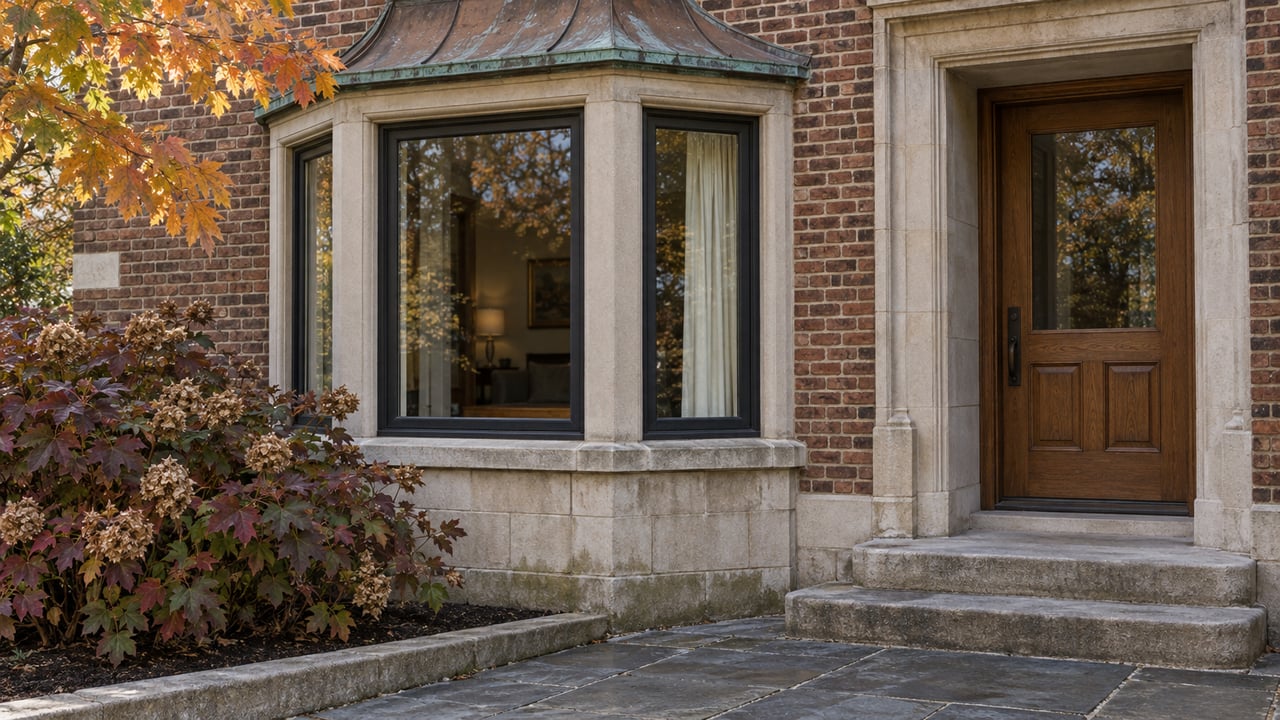
The city’s historic preservation materials note that Evanston includes courtyard buildings, four-flats, six-flats, and other low-rise apartment forms, and that many of these buildings were later converted into condominiums. You can see that context in the city’s apartment building thematic study. For downsizers, these homes may offer charm, solid room sizes, and a house-like feel in a shared building format.
Newer condos and elevator buildings
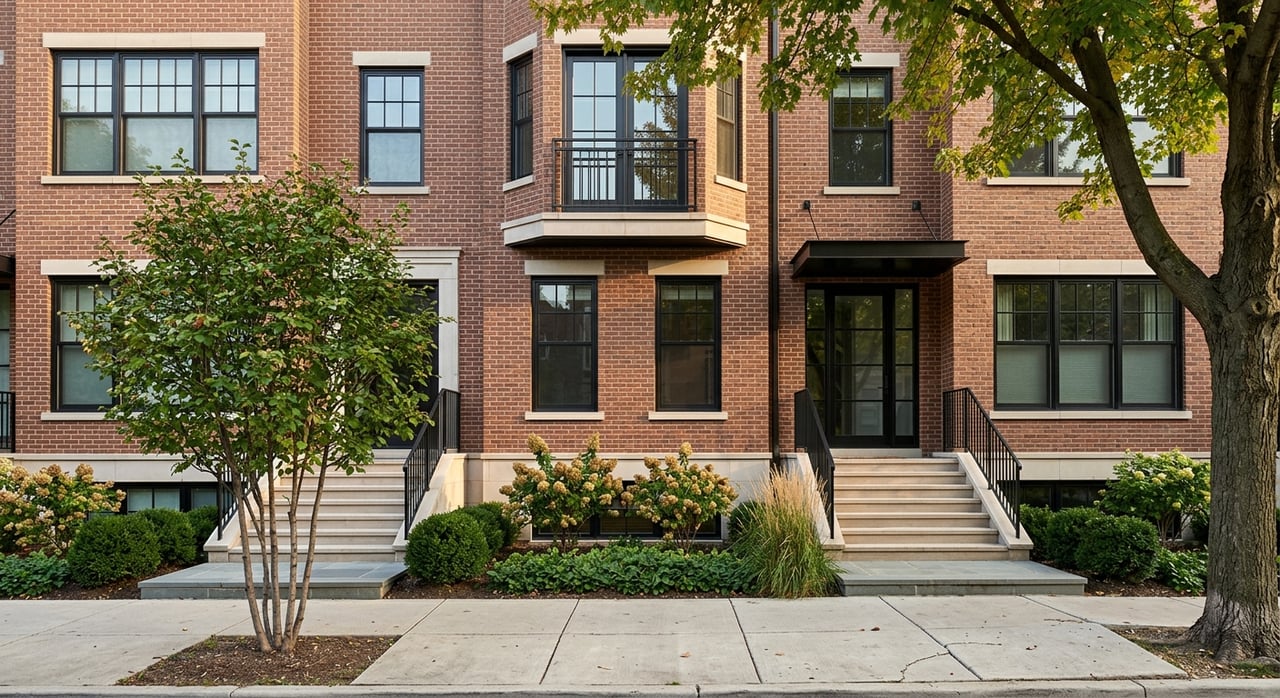
Some buyers want less maintenance but also want features that feel more current. In those cases, newer condo product or elevator buildings may offer more convenience, depending on the property. These buildings can appeal to buyers who prefer easier access, more predictable layouts, and modern finishes.
Townhomes with private space
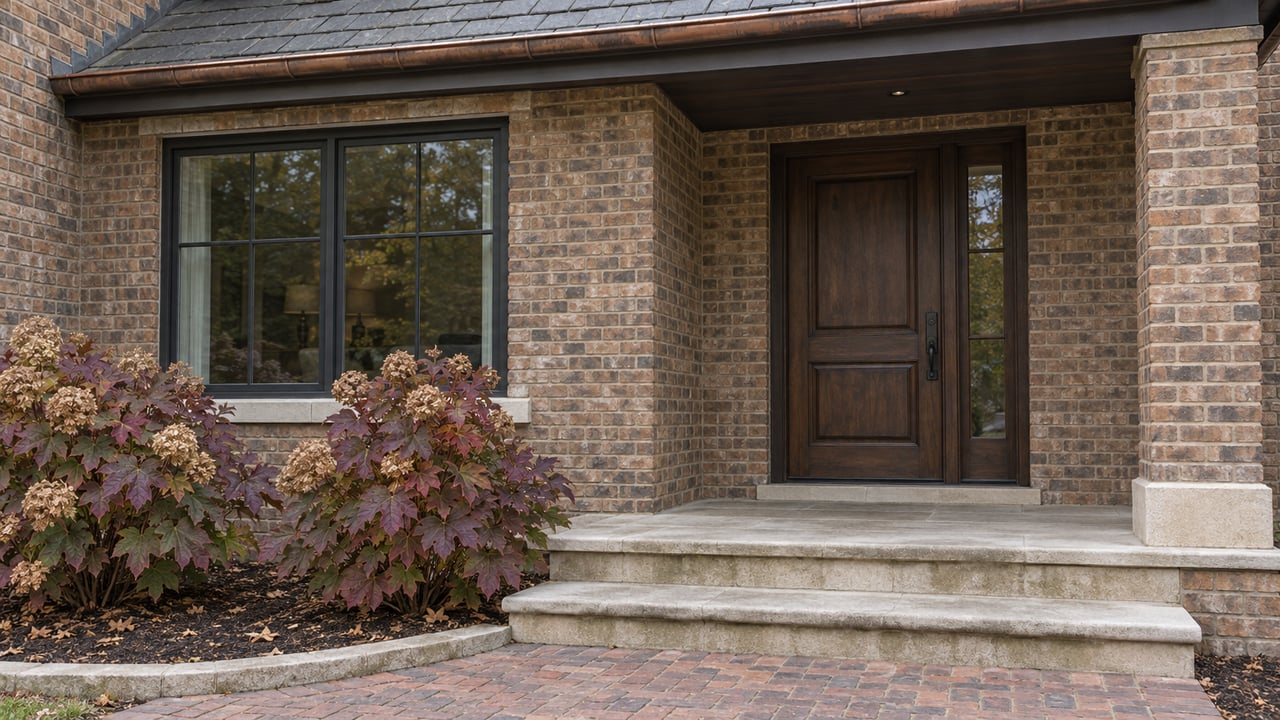
If you are not ready for a single-level condo, a townhome can be a strong middle ground. Evanston planning materials for a current Central Street townhome proposal describe units with basements, rooftop terraces, and two rear garage spaces. That is a useful local example of how townhomes can provide private space and storage while still reducing exterior maintenance compared with many detached homes.
What Size Makes Sense?
A big part of downsizing is choosing the right amount of space, not simply the smallest home possible. In Evanston, one- and two-bedroom homes are common. CMAP reports that 25.9% of units are zero- or one-bedroom and 31.0% are two-bedroom, while 24.4% are three-bedroom and 13.8% are four-bedroom homes.
That gives you room to be selective. If you want a guest room, office, or hobby space, a larger condo or townhome may still fit your downsizing goals. If your priority is simplicity and low upkeep, a one- or two-bedroom layout may feel like the right next step.
Lifestyle Benefits Beyond the Home
For many buyers, downsizing is as much about lifestyle as it is about square footage. Evanston stands out because you can often pair a smaller home with easier access to daily amenities, outdoor spaces, and transit.
Transit and mobility
The city says the CTA Purple Line serves Evanston with seven stops, and Metra’s Union Pacific North line also serves the city. That can be especially helpful if you want flexibility for commuting, visiting Chicago, or reducing how often you rely on a car.
CMAP’s 2019 to 2023 data adds more context. It reports that 13.0% of workers used transit and 14.1% walked or biked to work, while average annual vehicle miles traveled per household were lower than both Cook County and the broader CMAP region. If your goal is a more connected, less car-dependent routine, Evanston supports that well.
Lakefront access and walkability
Evanston also offers access to the lakefront, which is a meaningful quality-of-life feature for many buyers. The city highlights its Lake Michigan shoreline, beaches, and scenic paths. For downsizers, that can mean easier access to outdoor time without the maintenance demands of a larger property.
Condos vs. Townhomes for Downsizers
If you are deciding between the two, it helps to compare how each option supports your priorities.
| Feature | Condo | Townhome |
|---|---|---|
| Maintenance | Often lower exterior upkeep | Usually lower than detached homes, but varies |
| Layout | Frequently single-level | Often vertical with stairs |
| Privacy | Shared building setting | More separation and private entry in many cases |
| Outdoor space | May be limited or shared | May include rooftop terrace or small private space |
| Storage and parking | Varies by building | Often stronger in newer projects |
| Fit for downsizers | Good for simplicity and convenience | Good for those wanting space without a full house |
A condo may work best if you want the least hands-on ownership experience possible. A townhome may work better if you still want extra space, storage, or a more house-like setup.
Price Expectations in Evanston
Cost is often part of the downsizing equation, especially if you are comparing a future purchase to the value of your current home. The Cook County Assessor’s Evanston Township valuation page lists the 2024 median sales price for condos at $294,000, with a 2025 estimate of $265,000. For single-family homes, the same source lists a 2024 median sales price of $675,000 and a 2025 estimate of $636,000.
That does not mean every condo is inexpensive or every detached home is costly in the same way. It does show, though, that condos can offer a more approachable entry point than single-family homes in Evanston. If you are trying to free up equity, reduce monthly costs, or simplify ownership, that pricing gap is worth paying attention to.
HOA Questions You Should Ask
A condo or townhome purchase involves more than the unit itself. The association’s finances, rules, and maintenance planning matter too.
What does the monthly assessment cover?
Start with the basics. You want to understand exactly what your regular assessment includes, such as common area maintenance, insurance for common elements, or other shared costs. That helps you compare one property to another in a practical way.
How healthy are reserves?
Under the Illinois Condominium Property Act, condominium budgets are required to provide reasonable reserves for capital expenditures and deferred maintenance. The law also notes that boards should consider repair costs, useful life of common elements, reserve studies, the impact of assessment increases, and financing options.
The same law allows reserve requirements to be waived by a two-thirds vote, but that waiver must be disclosed to owners and prospective purchasers. As a buyer, that is important context because low reserves today can affect future costs.
Are there special assessments or major projects coming?
Ask whether there are pending or active special assessments and whether any major capital projects are planned. These issues can directly affect your monthly budget and your near-term cash needs.
This is also relevant to financing. Fannie Mae’s condo project guidance notes that lenders review project eligibility, including active or pending special assessments and whether the project has adequate insurance.
What do the documents and minutes show?
Board minutes, financials, and reserve studies can tell you a lot about how an association operates. Illinois law gives owners the right to inspect key association records, including recent financial records and any reserve study. As a buyer, reviewing those materials can help you spot maintenance patterns, recurring concerns, or upcoming decisions.
Are there rules that could affect resale?
Rental restrictions and other building rules can matter, even if you plan to live in the home for years. They may affect future flexibility, buyer demand, or financing options for the next purchaser. It is better to understand those rules early than to be surprised later.
A Practical Downsizing Strategy
A smooth move usually starts with clarity. Before you tour homes, define what you want to keep, what you are ready to let go of, and what kind of daily routine you want your next home to support.
It can help to build your search around a short list like this:
- Preferred home type: condo or townhome
- Minimum bedroom count
- Need for elevator access or single-level living
- Parking and storage priorities
- Budget for monthly assessments
- Transit, walkability, and lakefront access goals
- Comfort level with vintage buildings versus newer construction
That kind of planning can make your search more efficient and less emotional. Instead of reacting to every listing, you can focus on homes that truly support your next chapter.
Downsizing in Evanston is not about settling for less. It is about choosing a home that fits your life today, whether that means a vintage condo with character, a more modern building with convenience, or a townhome that balances private space with lower maintenance. If you want experienced guidance on evaluating layouts, association details, and the tradeoffs between property types, The AVE Group can help you move forward with clarity and confidence.
FAQs
What makes Evanston a good place to downsize into a condo or townhome?
- Evanston offers a large share of attached and multifamily housing, smaller household patterns, strong transit access, and lakefront amenities that can support a lower-maintenance lifestyle.
How do Evanston condos differ from Evanston townhomes for downsizers?
- Condos often offer simpler, shared-building living, while townhomes may provide more private space, storage, and features like basements, garages, or rooftop terraces.
What condo sizes are common in Evanston for downsizers?
- One- and two-bedroom homes are especially common in Evanston, though the market also includes larger units for buyers who want space for guests, work, or flexibility.
What HOA documents should you review when buying an Evanston condo?
- You should review the budget, reserve information, recent financial records, board minutes, any reserve study, and details about special assessments, major projects, and building rules.
How do Evanston condo prices compare with single-family homes?
- Cook County Assessor data shows lower median sales prices for Evanston condos than for single-family homes, which can make condos an attractive option for buyers looking to simplify or reallocate equity.