You want income you can count on and a market with real staying power. Glenview checks both boxes for small multifamily and mixed‑use investors, thanks to strong household incomes, transit access, and a proven mixed‑use hub at The Glen. In this guide, you’ll learn where to focus, how to underwrite, which value‑add plays work, and how to structure financing for 5 to 50 units. You’ll also see where a seasoned local broker adds outsized value. Let’s dive in.
Why Glenview attracts investors
Glenview sits in Chicago’s North Shore with a renter base that supports small multifamily and mixed‑use. The village’s median household income is about $143,000, which indicates solid purchasing power for both residential and neighborhood retail demand. You can confirm current figures using the U.S. Census QuickFacts for Glenview, which also helps you benchmark demographics during underwriting (Census QuickFacts).
While much of Glenview is owner‑occupied, there is a notable rental base. Market dashboards place the renter share near 22 percent, which helps size realistic demand for 2 to 12 unit properties and mixed‑use apartments above retail (RentCafe Glenview rents and trends). Average asking rents in Glenview are in the mid‑$2,400s per month. Use that as a starting point, then verify unit‑level comps by bedroom count and condition.
Transit and access matter for rent durability. Glenview is served by two Metra stops on the Milwaukee District North Line and has quick connections to I‑94 and I‑294 for regional commutes and O’Hare access (Glenview transit context). Families and long‑term renters also weigh local amenities. The village is served by District 34 and Glenbrook High School District 225, which supports multi‑bedroom rental demand and stable fundamentals in many subareas (Glenview District 34).
Finally, The Glen stands out as a successful, large‑scale mixed‑use redevelopment that reshaped supply, foot traffic, and retail mix. It is a useful blueprint for live‑work‑shop formats and how the right tenant mix supports upstairs apartments (ULI case study on The Glen).
Asset types and where to look
Small multifamily: 2 to 12 units
Expect duplexes, triplexes, four‑flats, and small garden buildings. These are owner‑marketable, finance well with small‑balance lenders, and often offer clear value‑add paths through interior refresh and amenity upgrades.
Mid‑small buildings: 10 to 50 units
You will find garden and low‑rise product along major corridors and near nodes such as The Glen and downtown Glenview. Private buyers often target value‑add opportunities; institutional interest tends to focus on well‑located, stabilized deals.
Mixed‑use: retail with apartments above
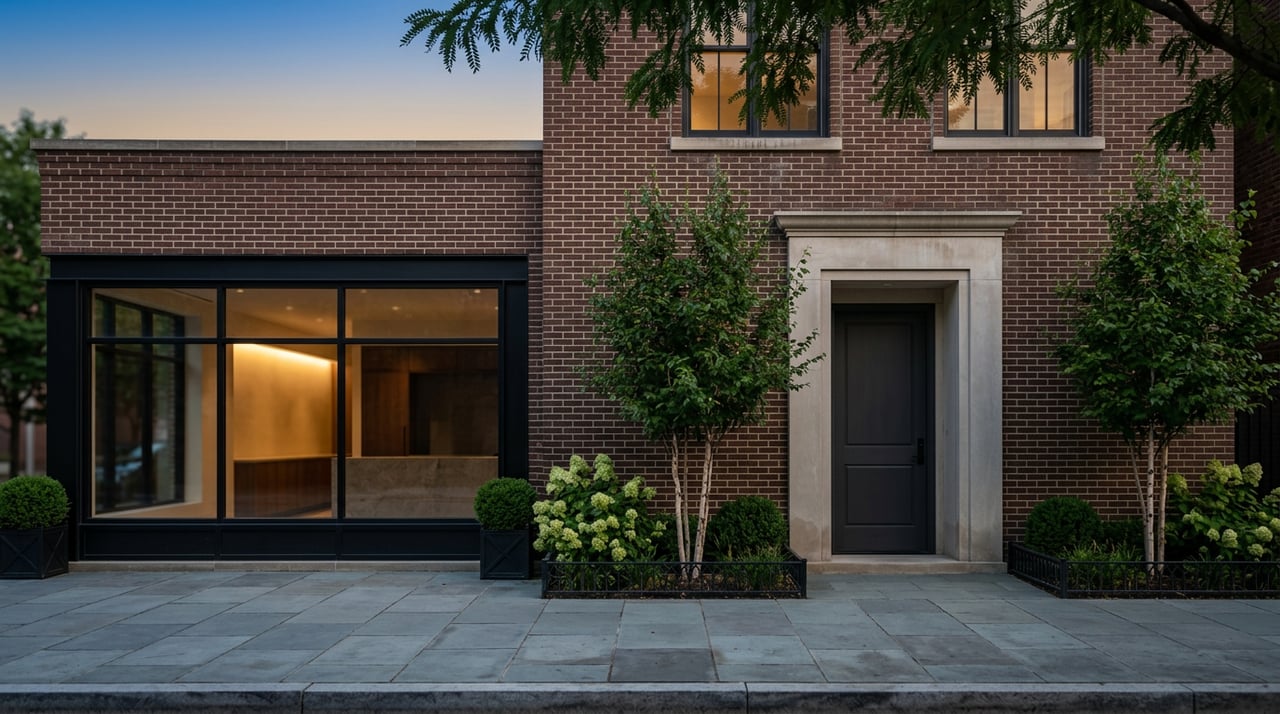
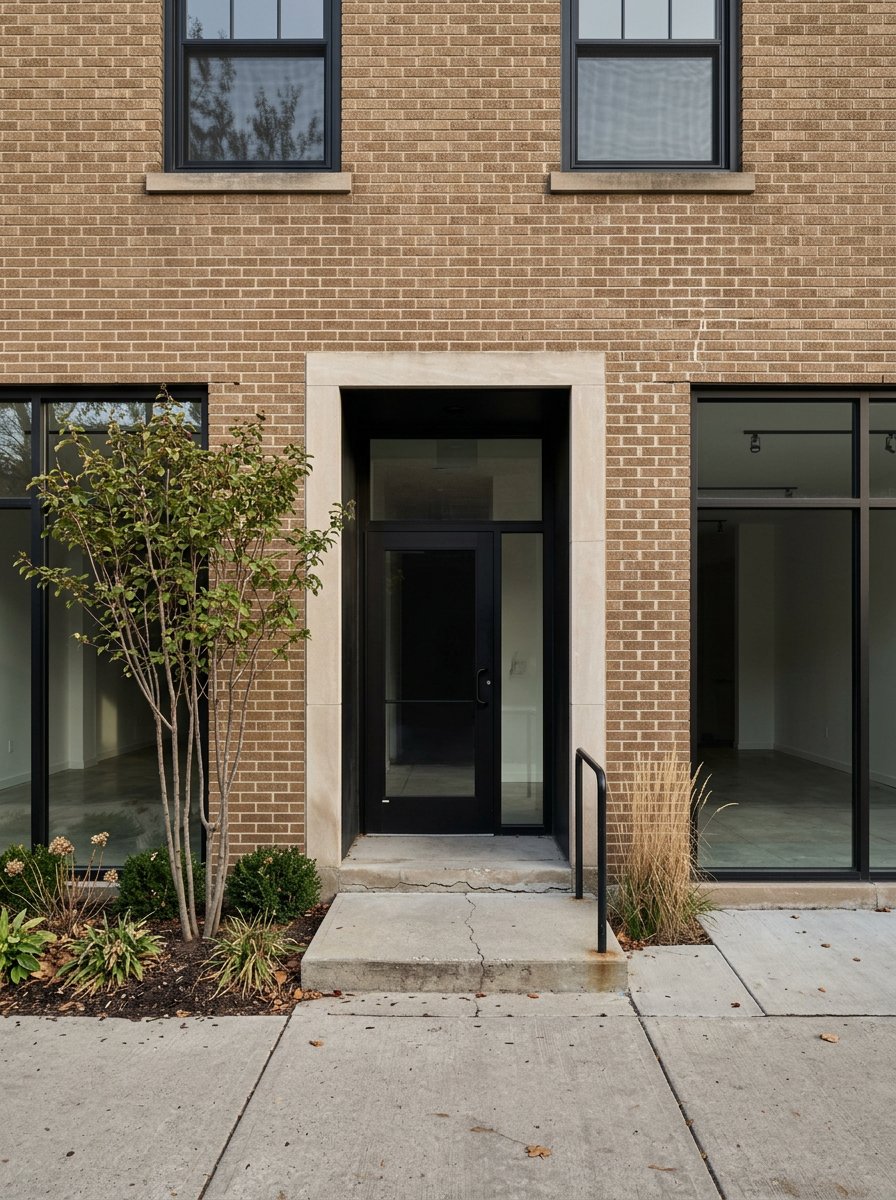
Downtown blocks and The Glen Town Center include ground‑floor retail with residential above. These can be good candidates if the retail is underperforming and you can re‑tenant to service uses that fit the local customer base.
Submarket focus areas
- The Glen and Town Center for walkable mixed‑use, newer product, and retail foot traffic (The Glen overview).
- Downtown Glenview and the Waukegan‑Old Willow corridors for historic retail buildings and small multifamily pockets.
- Areas near the Glenview and North Glenview Metra stations for transit‑friendly buildings that can support stronger rents.
Zoning and planning checks
Before you bid, review the Village’s comprehensive plan and plan commission materials for guidance on density, overlays, and site‑specific entitlements. Certain parcels may offer rezoning or special use paths to unlock more value (Village planning documents).
Underwriting essentials for Glenview
Underwrite Glenview with a disciplined, suburban frame of mind. The regional context points to healthy suburban occupancy and recovering rent growth. Use the following ranges as starting points, then validate on a property‑by‑property basis.
Market rents and growth
- Baseline rents: Start with current Glenview dashboards. Recent averages sit in the mid‑$2,400s per month, but comps vary by unit type and finish level (RentCafe Glenview rents and trends).
- Annual rent growth: Model a conservative 1 to 3 percent base case. Stress test to 0 percent or slightly negative, and create an upside case of 3 to 5 percent if you plan meaningful renovations.
Vacancy and lease‑up
- Stabilized vacancy: 4 to 6 percent for well‑located suburban properties is a reasonable starting point. Use the high end or more for older assets or those with lease‑up risk.
- Loss‑to‑lease: Build a schedule that compares in‑place rents to current asking rents by unit type so you can quantify organic upside.
Operating expenses and reserves
- Operating expense ratio: Model 35 to 45 percent of effective gross income, adjusting for age, utility structure, and management plan. This is a common underwriting band for small and suburban multifamily (Operating expense guide).
- Reserves and CapEx: Budget $3,000 to $8,000 per unit for light turns. Heavier upgrades and building systems work require larger per‑door budgets and longer timelines. For mixed‑use, plan separate tenant improvement allowances for storefronts.
Exit and cap rates
Regional market surveys placed going‑in cap rates for core and value‑add multifamily in the Chicago area in the mid to high single digits in 2025, commonly around the mid‑6 percent range. Use that as a market anchor, then adjust for micro‑location, building scale, and condition.
Property taxes and TIF history
Cook County reassesses on a regular cycle, and reassessment can materially change your tax bill. During due diligence, review PIN‑level history and understand appeal windows so you can model tax sensitivity with confidence (Cook County Assessor release). Also check whether your target sits in a special district. The Glen TIF that helped enable redevelopment has been slated for closure, which can shift how incremental revenues flow and affect future taxes for properties in the area (Daily Herald on TIF transition).
Financing options for 5 to 50 units
Agency small‑balance loans
Freddie Mac’s Small Balance Loan program is a primary channel for small multifamily, with loan sizes generally ranging from about $1 million to $7.5 million. These loans often provide competitive fixed or hybrid terms compared to bridge debt and are designed for 5 to 50 unit properties (Freddie Mac SBL overview).
Fannie Mae’s small loan programs also serve this segment and have expanded capacity in recent years. Typical agency underwriting targets a DSCR in the 1.15 to 1.30 or higher range, with leverage commonly up to about 75 to 80 percent, subject to DSCR and market rents (Fannie small‑loan update).
Bridge and local banks
For value‑add plans that need construction or heavy CapEx, bridge lenders and community banks can provide flexible structures and fund improvements. Expect higher coupons and covenants tied to renovation milestones and lease‑up.
Value‑add plays that work in Glenview
Well‑planned improvements can drive NOI and elevate tenant appeal. Prioritize strategies that match Glenview’s renter profile and retail catchments.
- Interior unit refresh: Kitchens, baths, flooring, lighting, and hardware often support immediate rent lifts at turnover.
- In‑unit laundry: Stackable washers and dryers can unlock premiums, especially for 1 to 3 bedroom layouts.
- Ancillary income: Paid parking, storage lockers, pet fees, and EV charging can create durable revenue streams.
- Ground‑floor retail repositioning: If storefronts underperform, re‑tenant to service, medical, childcare, or creative office uses that fit local demand patterns. The Glen’s Town Center highlights how curated tenant mix and public space drive performance (The Glen case study).
- Energy and O&M upgrades: LED lighting, HVAC efficiencies, insulation, and low‑flow plumbing can reduce expenses and support valuation.
Risks to model up front
- Permitting and timing: Village plan commission review and building permits can add months to your timeline.
- Tenant transitions: Account for relocation logistics, lease expirations, and downtime during construction.
- Property taxes: Model post‑renovation reassessment scenarios and potential appeal timelines.
- Leasing curve: Include conservative lease‑up and concession assumptions for both apartments and retail.
Due diligence checklist
Use this quick list to pressure‑test a target before you write an offer.
- Confirm market rents: Pull 10 to 20 active local listings and a 12‑month rent roll. Build a loss‑to‑lease schedule by unit type.
- Lease audit: Review concessions, expirations, and any nonstandard clauses that affect turnover or rent increases.
- Expense validation: Gather two to three years of utility bills, tax history, insurance, and service contracts.
- Capital needs: Inspect building envelope, roofs, plumbing, electrical, and mechanicals. Obtain at least three contractor bids for planned scopes.
- Zoning and use: Verify parcel zoning, overlays, parking ratios, ADA triggers, and any change‑of‑use requirements with the Village’s planning documents (Village planning documents).
- Taxes and assessment: Pull PIN‑level history and review reassessment schedules and appeal windows (Cook County Assessor release).
- Financing fit: Pre‑screen with an agency SBL lender, a local bank, or a bridge lender to confirm achievable DSCR, LTV, and terms (Freddie Mac SBL overview).
Where a local broker adds ROI
Sourcing, underwriting, and execution improve when you have senior local guidance. A broker with North Shore reach can surface off‑market small multifamily and mixed‑use opportunities, especially from long‑time owner‑operators who prefer quiet sales. You also gain access to closed‑sale comps and price‑per‑unit benchmarks that many public feeds do not show for Glenview’s small‑asset segment.
On financing, an experienced team can introduce agency small‑loan originators, community banks, and equity partners to align your capital stack with your business plan. For properties that may require entitlements, local counsel and zoning expertise help you map the path, set timelines, and reduce risk early.
The AVE Group is a boutique, senior‑led team with developer and legal backgrounds. You get direct access to senior advisors, polished marketing when selling or re‑tenanting, and informed guidance on value‑add strategies for 5 to 50 unit assets and mixed‑use. That combination helps you compete and execute with confidence in Glenview and across the North Shore.
Next steps for ready movers
- Zero in on subareas that fit your plan: The Glen Town Center, downtown corridors, and near the Metra stations.
- Build a conservative pro forma using the ranges above, then stress test taxes, lease‑up, and exit cap rates.
- Pre‑qualify financing with an agency SBL lender or community bank so you can act decisively when the right deal appears.
- Walk target buildings and storefronts with your contractor to validate scope, costs, and timing.
If you want seasoned guidance and access to off‑market opportunities, connect with The AVE Group to start your Glenview acquisition plan.
FAQs
What makes Glenview attractive for small multifamily investors?
- Strong household incomes, transit access, a stable renter base, and a proven mixed‑use anchor at The Glen create durable demand and support for 2 to 50 unit assets.
How should I model vacancy and expenses in Glenview?
- Use a starting point of 4 to 6 percent vacancy for stabilized suburban assets and an operating expense ratio of 35 to 45 percent, then adjust for property age and utility structure.
What are typical cap rates for Glenview multifamily in 2025?
- Regional surveys placed going‑in cap rates in the mid to high single digits, often around the mid‑6 percent range; verify with Glenview‑specific comps before setting your target.
How do Cook County reassessments affect my pro forma?
- Reassessment can materially change annual taxes, so review PIN‑level history and appeal windows and model sensitivity scenarios (Cook County Assessor guidance).
Where are Glenview mixed‑use opportunities most common?
- The Glen Town Center and downtown Glenview corridors have the most mixed‑use formats, with apartments over retail and re‑tenanting potential for service uses (ULI case study).
What DSCR and LTV should I expect from agency small‑loan lenders?
- Many agency programs target a DSCR of about 1.15 to 1.30 or higher and up to roughly 75 to 80 percent leverage, subject to property income and market rents (Freddie Mac SBL, Fannie small‑loan update).
How does The Glen TIF transition factor into underwriting?
- The planned TIF closure changes how incremental revenues flow, so confirm if a property sits within that footprint and model potential tax impacts (Daily Herald coverage).