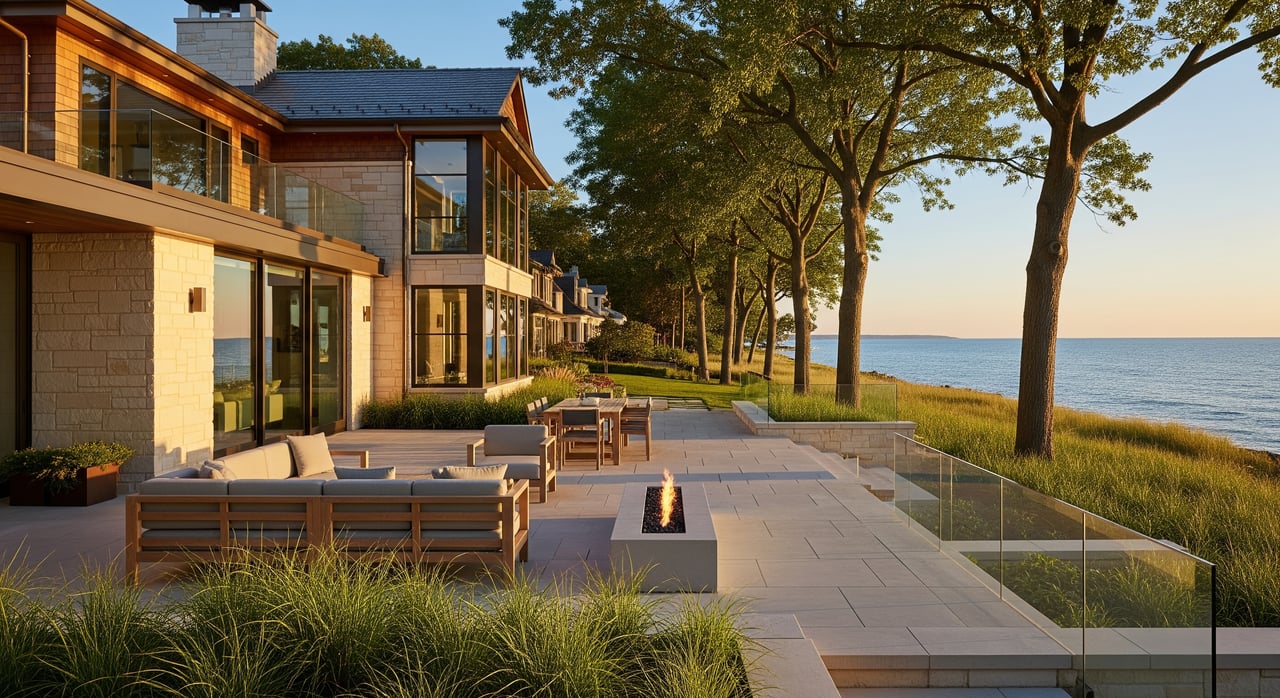
What does living well look like to you? If it includes lake breezes, outdoor trails, a calendar full of music, and an easy ride into the city, Highland Park deserves a close look. You want a community that fits your lifestyle and supports your long-term plans, whether you are moving for work, schools, or a change of pace. This guide breaks down day-to-day life, housing options, commuting, and practical costs so you can decide with confidence. Let’s dive in.
Why Highland Park stands out
Highland Park sits on Chicago’s North Shore in Lake County, about 20 to 30 miles north of downtown. It is part of the larger Lake County–Kenosha County, IL–WI region in economic reporting. You get a true lakeside setting coupled with established neighborhoods and access to regional job centers.
With a population of about 30,176, you will find a mix of long-time residents and newcomers drawn by the lakefront, cultural life, and commute options. Many neighborhoods feature mature trees and an older housing stock, with updated homes and new construction woven in.
Lakefront and outdoor living
Highland Park’s Lake Michigan shoreline is a local treasure. Public access points and beaches, including Rosewood Beach, offer seasonal swimming and a scenic place to relax. Elevated bluffs give many areas a unique, coastal feel.
You will also find preserved open space and trails in and around the city. The Fort Sheridan area blends historic character with open land and lake views. Regional paths, including stretches of the Green Bay Trail corridor, connect walkers, runners, and cyclists to nearby North Shore towns. It is easy to build outdoor time into your daily routine.
Culture anchored by Ravinia
The city’s cultural heartbeat is the Ravinia neighborhood, home to the renowned Ravinia Festival. Each summer, you can spread a blanket on the lawn or sit under the pavilion for classical, jazz, pop, and family programs. The Chicago Symphony Orchestra holds its summer residency here, and the lineup mixes legacy artists with emerging talent.
Beyond Ravinia, you will find municipal arts programming, library events, and seasonal festivals that bring neighbors together. Proximity to Chicago adds the option for world-class museums, theater, and dining when you want it.
Parks, programs, and family life
The Highland Park Park District operates neighborhood parks, pools, sports fields, and community centers. Recreation programming serves all ages, from youth sports and swim lessons to adult fitness and enrichment. If you prefer local leagues and classes, you will find many choices close to home.
For day-to-day convenience, you will also find a compact downtown and neighborhood commercial pockets that cluster near train stations and the Ravinia area. Most errands are a short drive, bike ride, or walk depending on where you live.
Dining, shopping, and everyday convenience
You can count on an easy mix of cafes, bakeries, neighborhood restaurants, and boutiques. Grocery shopping spans national chains and local specialty markets. If you want larger retail or new dining options, nearby Northbrook, Deerfield, and Lake Forest broaden your choices without a long drive.
Schools and education overview
Families often look at school boundary maps, available programs, and commute patterns alongside home criteria. Highland Park is served by local elementary and middle school districts and a township high school district consistent with the North Shore model. Public schools in the area are generally well-regarded. You will also find private and parochial options for different educational preferences.
Because school information changes, it is best to verify details through district sites and state report cards. When you narrow your neighborhood list, confirm boundaries and enrollment policies before you write an offer.
Housing options and neighborhoods
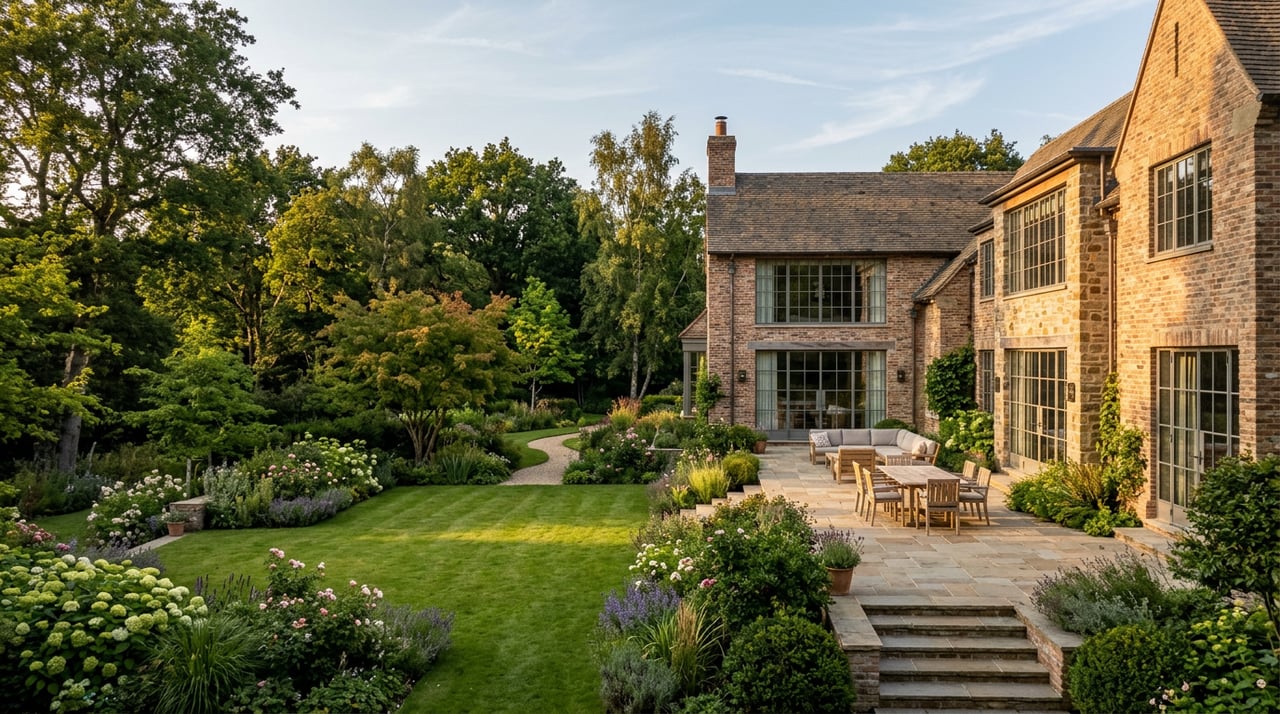
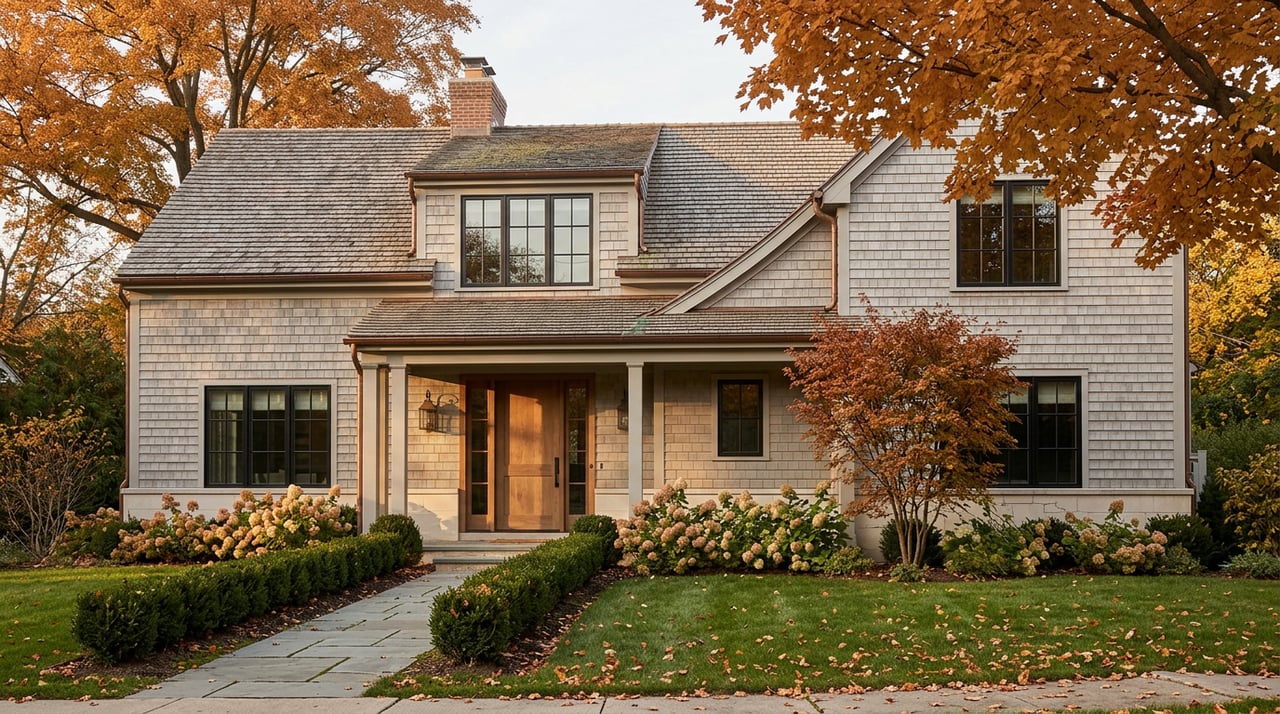
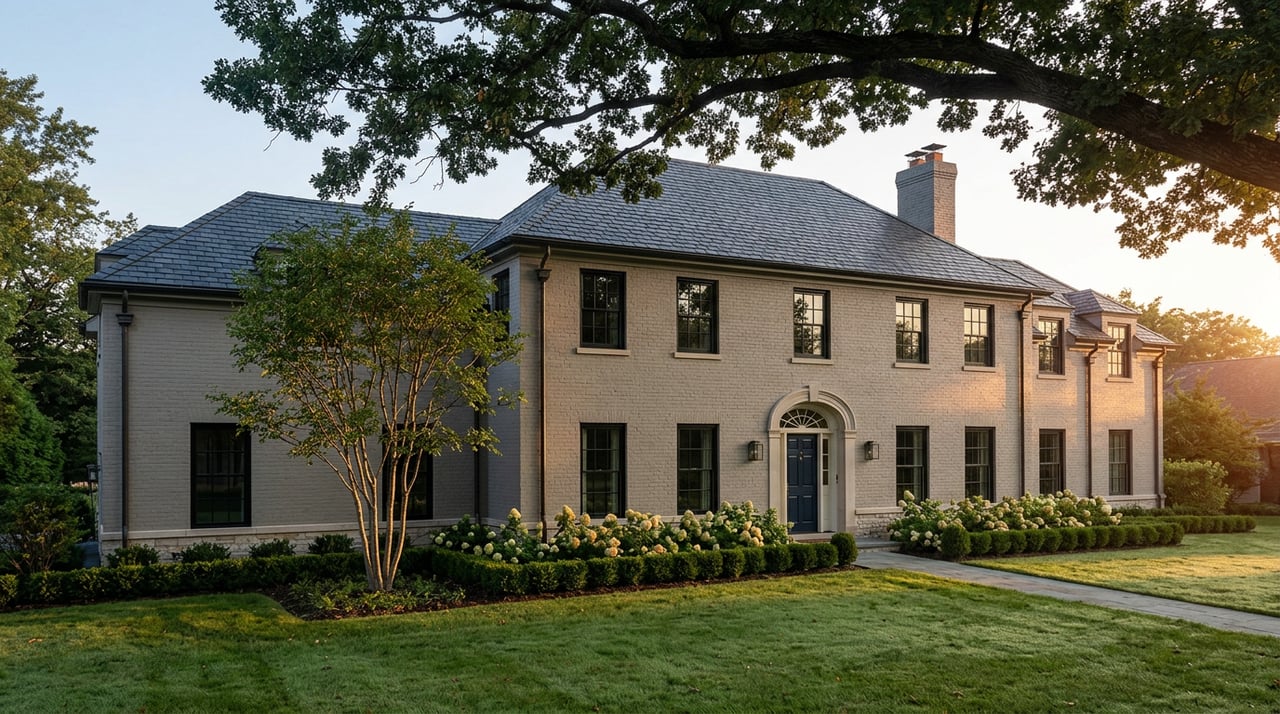
You will see a wide range of home styles in Highland Park. Near the lake and in older neighborhoods, you will find historic and early 20th-century architecture, including Victorian, Colonial Revival, Tudor, and Prairie influences. Inland neighborhoods feature postwar ranches and mid-century split-level homes.
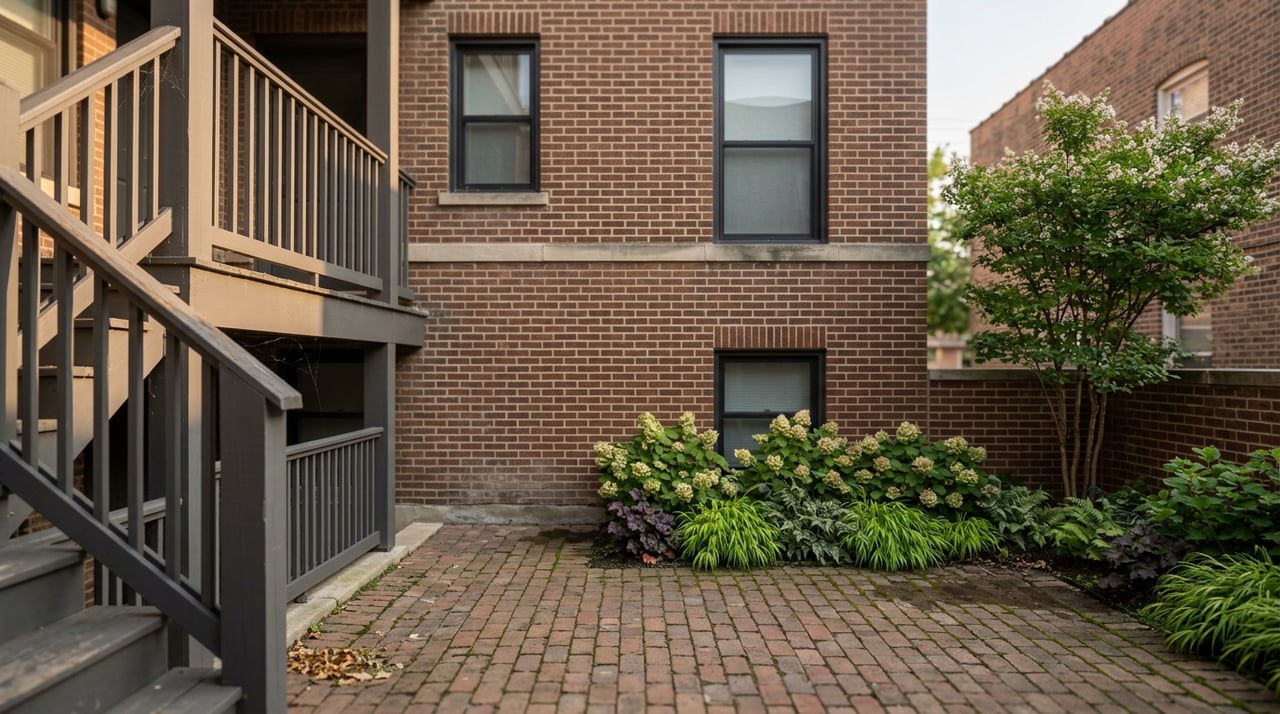
Buyers seeking space and modern amenities will also find contemporary infill and custom new construction. If you want lower maintenance, there are condominiums, townhomes, and small apartment communities, which can appeal to first-time buyers, downsizers, and frequent travelers.
Here is how buyers often segment the market:
- Condos and entry-level townhomes. Typically the most budget-friendly options relative to single-family homes.
- Mid-range single-family homes. Modest detached homes up to larger renovated properties that serve many family needs.
- Upper-tier and luxury. Lakefront estates, substantial historic homes, and new custom builds often command premium pricing.
Neighborhood trade-offs to consider:
- Lakefront vs inland. Lakefront areas offer views and access at a premium price. Inland neighborhoods tend to offer larger lots and lower cost per square foot.
- Ravinia and transit-adjacent pockets. Popular with music lovers and daily commuters who want walkability to Metra stations or the festival grounds.
- Fort Sheridan and historic districts. Attractive for buyers who value historic character and proximity to preserved open space. If you plan renovations, review local historic guidelines and city zoning early.
Commuting and getting around
For many professionals, the Metra commuter rail is the simplest way into the city. Highland Park is served by the Union Pacific North Line, with inbound peak trips to downtown Chicago typically taking about 30 to 50 minutes depending on train type and destination. You can plan your trip using the Metra Union Pacific North Line schedule.
If you drive, US-41 runs along the lakefront and connects to I-94 for north-south travel. Drive times vary by time of day, with peak-hour congestion common into Chicago. Trips to nearby corporate centers often fall in the 15 to 40 minute range.
Local bus service connects Highland Park to neighboring suburbs. Check Pace bus routes in Lake County for current maps and frequency. For air travel, O’Hare International is usually a 30 to 60 minute drive depending on traffic. Chicago Executive Airport serves regional and corporate needs.
Walkability depends on where you land. You will find walkable pockets around downtown, the Ravinia area, and near stations, with a more suburban layout across much of the city.
Cost of living and property taxes
The North Shore’s cost of living tends to be higher than state and national averages, and housing is the biggest driver. Illinois property taxes are a meaningful line item in your budget. When you evaluate homes, estimate taxes using county assessor data and compare total monthly costs rather than just principal and interest. This will give you a clearer picture of your sustainable price range.
A simple relocation checklist
Use this quick framework as you plan your move:
- Clarify your daily rhythm
- List your top lifestyle priorities, from lake access to yard size to transit.
- Decide how often you plan to go downtown versus staying local.
- Define budget and timeline
- Get pre-approved and set a monthly affordability target that includes taxes and insurance.
- Map your ideal closing date and any lease overlap needed.
- Shortlist neighborhoods
- Compare lakefront vs inland trade-offs, access to Metra, and walkability preferences.
- If you plan updates or a teardown, review city zoning and any historic constraints early.
- Align on schools
- Verify district boundaries and programming for your child’s grade level.
- Factor in commute time to school alongside your work commute.
- Preview and tour
- Start with virtual tours and neighborhood drives.
- Schedule targeted showings to compare finishes, lot size, and renovation scope.
- Prepare to compete
- In popular segments, have your lender letter and flexible terms ready.
- Consider pre-inspections or repair-credit strategies when appropriate.
Is Highland Park right for you?
Highland Park blends lakefront beauty, cultural depth, and established neighborhoods with reliable city access. The trade-offs are straightforward. You pay a premium for proximity to the lake and amenities, while rail convenience helps offset the stress of highway traffic. If you value a connected, outdoor-forward lifestyle with strong community programming and access to the city, Highland Park can be a compelling fit.
If you want senior-level guidance on neighborhoods, property tax planning, and how to position a winning offer, our team is here to help. Connect with The AVE Group to schedule a free consultation and start your North Shore search with confidence.
FAQs
How long is the Metra commute from Highland Park to downtown Chicago?
- Typical inbound peak trips on the Union Pacific North Line take about 30 to 50 minutes depending on train type and destination; check the latest schedules on Metra’s site.
What kinds of homes are common in Highland Park?
- You will see historic styles near the lake, postwar ranches and mid-century homes inland, plus contemporary infill and condos or townhomes for lower maintenance.
Are there year-round cultural activities beyond Ravinia?
- Yes. Municipal arts programming, library events, and seasonal festivals run throughout the year, while the Ravinia Festival anchors summer performances.
How walkable is Highland Park for daily errands?
- Walkability is strongest near downtown, the Ravinia area, and Metra stations, with a more suburban, car-oriented layout in many residential pockets.
What should I know about property taxes in Highland Park?
- Illinois property taxes are a significant cost across the North Shore; use county assessor data to estimate taxes for each property and include them in your monthly budget.
What local transit options exist besides Metra?
- Pace operates bus routes that connect Highland Park to neighboring suburbs; see current maps and frequency on the Pace website.