Coffee on the terrace while the lake glimmers below. A quick Metra ride to the city, then back home for a sunset walk along the bluffs. If that sounds like your kind of day, Highland Park’s lakefront might be the lifestyle fit you’re after. In this guide, you’ll get a clear picture of what lakefront living looks like, what drives value, and the practical steps to buy or sell with confidence. Let’s dive in.
Why Highland Park lakefront
Highland Park sits along the North Shore of Lake Michigan, with scenic stretches of shoreline and a strong parks system. You’ll find a mix of historic estates and modern homes positioned to capture views and privacy. The community’s cultural life, including the nearby Ravinia Festival, adds to the appeal for year‑round enjoyment.
Daily convenience stands out too. Sheridan Road is the main corridor along the lake, and the Metra Union Pacific North Line offers a direct route to downtown Chicago. I‑94 via the Edens Spur provides easy highway access. For many buyers, the ability to blend a weekend‑lake feel with city access is a big win.
Where the lake meets life
A few shoreline hubs help you understand the area’s rhythm:
- Rosewood Beach and its surrounding nature area offer a natural lakeshore setting, walking paths, and seasonal activity. It showcases the bluffs and dune landscapes that define the North Shore.
- The Fort Sheridan area blends a unique historic district with adjacent forest preserve land, trails, and access points for enjoying the lake’s vistas.
- Parks and beaches managed by the City of Highland Park and the County provide a network of lakefront experiences, from quiet overlooks to active beach days.
These public amenities, combined with tree‑lined blocks off Sheridan Road, shape the day‑to‑day lifestyle near the water.
Home types and architecture
You’ll see a range of property styles near the lake:
- Single‑family estates on larger lots, including historic homes and custom rebuilds.
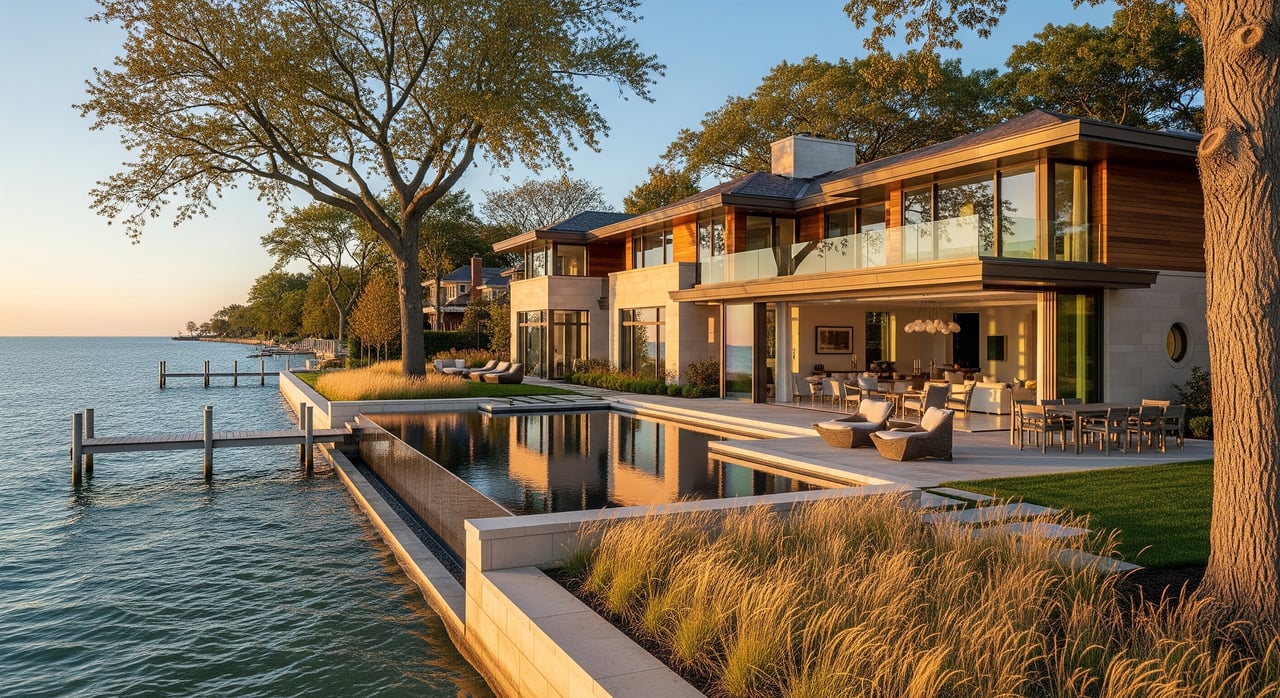
- Mid‑century modern and contemporary houses that maximize glass, light, and indoor‑outdoor flow.
- Renovated cottages and bungalows on transitional blocks near parks and access points.
- Select condominiums or townhomes with lake views, though high‑density shoreline development is limited.
- Historic military‑era residences and adapted structures in and around Fort Sheridan.
Architecturally, the mix is part of the charm. Older homes often reflect Colonial Revival, Tudor, and Craftsman influences, while some pockets feature Prairie School and mid‑century lines. Newer builds lean contemporary with large windows, lake‑facing terraces, and outdoor living areas. Common luxury features include walkout lower levels, native‑plant landscaping, and multi‑car garages. Many lots are oriented to capture eastern and southeastern views while preserving privacy from Sheridan Road.
Bluff vs. beach lots explained
Not all lakefront parcels are alike. Understanding lot type is key to value, lifestyle, and maintenance.
- Bluff‑top lots sit above the water on elevated ground. They often deliver sweeping views and a sense of privacy. Access to the beach may involve stairs or engineered pathways, and bluff stability becomes a focus of due diligence.
- Beach‑level or low‑lying lots sit closer to the waterline. These can offer easier access but may face more direct exposure to fluctuating water levels and wave action.
Great Lakes water levels can vary year to year, sometimes above historical averages for extended periods. That affects beach width, shoreline conditions, and the need for protective measures. When you tour, note the grade, vegetation, and any visible shoreline structures.
Shoreline stability and maintenance
Erosion control and maintenance are part of lakefront ownership. Common measures include riprap (strategically placed rock), seawalls, and bluff stabilization systems. These are specialized improvements that typically require permits and periodic upkeep.
When evaluating a property, focus on:
- The condition of existing shoreline structures. Look for signs of wear, undermining, or repairs.
- Vegetation on the bluff or dune. Native plants help stabilize soil and manage runoff.
- Evidence of past remediation. Documentation of permits and contractor work can support value and reduce risk.
A coastal or geotechnical professional can assess bluff stability for higher‑risk sites or if you plan major changes. Budget for ongoing maintenance just as you would for roofing, mechanicals, or hardscaping.
Rules, permits, and who regulates
Several layers of oversight can apply to lakefront properties, especially for shoreline work:
- City of Highland Park planning, building, and zoning departments manage local zoning, building permits, and any historic‑district reviews.
- Lake County and Lake County Forest Preserves may be involved for parcels adjacent to conservation areas or public lands.
- The Illinois Department of Natural Resources can have jurisdiction over shoreline and bluff work. Certain structures and modifications need state permits.
- In specific cases, federal agencies, such as the U.S. Army Corps of Engineers, may regulate activities that affect navigable waters or wetlands.
It’s also helpful to understand public trust concepts. Owners typically do not control access to the foreshore below the ordinary high‑water mark. Local rules govern public access points and beach use. If you plan to add stairs, terraces, or a seawall, expect a permit process. If the property sits within a historic overlay, additional design review may apply.
Insurance, flood zones, and preparedness
Insurance for waterfront properties can differ from inland homes. Lenders and carriers look to FEMA flood maps to determine whether a parcel lies in a Special Flood Hazard Area and whether flood insurance is required. An elevation certificate, if available, helps clarify risk and can impact premiums.
Beyond flood considerations, ask about wind coverage, water intrusion endorsements, and liability for stairs or shoreline structures. Some policies reflect the added risks of storm damage or bluff failure. A conversation with an insurance professional early in the process can save time and surprises later.
What drives value and pricing
Lakefront property is a premium segment of the Highland Park market because of limited supply, view corridors, and proximity to the water. Even near‑lake homes with strong views or walkable access often command a pricing bump. Inventory of true lakefront parcels tends to be tight, and turnover is less frequent, which can increase competition in certain seasons.
Key value drivers include:
- Direct frontage and private access. True lakefront typically values higher than homes with partial or obstructed views.
- Lot features. Frontage width, lot depth, bluff versus beach‑level terrain, and ease of access matter.
- View quality and orientation. Unobstructed east or southeast views are highly prized.
- Condition and updates. Mechanical updates, modern kitchens and baths, and quality exterior work can lift value. Some buyers target tear‑downs to build custom.
- Amenity proximity. Access to Ravinia Festival, downtown Highland Park, parks and beaches, Metra, and highway links adds real utility.
- Compliance and history. Documented, permitted shoreline work and clear records can remove buyer friction. Unpermitted structures can complicate financing or insurance.
Macro factors, including interest rates and broader Chicago employment trends, also influence demand and pricing momentum.
Buyer checklist: start smart
Use this high‑level list to frame your due diligence. Your agent can help you align the right professionals.
- Get a current land survey. Confirm lot lines, shoreline position, easements, and improvements.
- Check flood status. Review FEMA flood maps and, if applicable, obtain or verify an elevation certificate. Ask an insurance agent to model premiums.
- Inspect the shoreline. Note the condition of riprap, seawalls, or bluffs; request documentation of past work and permits.
- Consider a stability review. For bluff‑top lots or significant planned changes, consult a coastal or geotechnical expert.
- Verify permits and compliance. Look for any unpermitted additions or shoreline structures; check for historic‑district requirements.
- Confirm utilities. Most Highland Park properties are on public sewer, but verify service and any private systems where present.
- Clarify access rights. Understand public versus private beach areas, deeded access paths, and shared easements.
- Price out insurance. Obtain quotes for flood, wind, and liability coverage tied to the property type and improvements.
- Plan for maintenance. Estimate the lifespan of shoreline structures and ongoing bluff or landscape care.
Seller playbook: prep to impress
If you’re bringing a lakefront property to market, thoughtful prep helps you stand out.
- Organize records. Permits, warranties, engineered plans, and invoices for shoreline work build buyer confidence.
- Lead with visuals. Professional photography and video should show the lake side and the street side, plus context shots for views and access.
- Spotlight lifestyle. Mention proximity to Ravinia, Metra, parks, and beaches. Note any deeded private access.
- Disclose early. Share known shoreline or erosion items and any inspections. Transparency speeds decisions and supports pricing.
- Note historic status. If applicable, clarify the process for exterior changes to set expectations.
Touring tips and timing
Lakefront homes reveal different personalities in different weather. Tour on a calm day to appreciate the views, and again when winds pick up to understand exposure and sound. Walk the lot to visualize access routes, privacy from the street, and how landscaping frames the lake. If possible, see the shoreline at varying water levels through past photos and records.
Timing can matter. Inventory ebbs and flows with the seasons, and serious buyers often prepare in advance by arranging financing, pulling insurance quotes, and lining up inspectors who understand lakefront nuances.
Next steps
- Shortlist a few properties across different lot types, including both bluff‑top and beach‑level parcels.
- Order a survey and gather insurance quotes early for your top pick.
- Visit the shoreline more than once, including after a windy day, to evaluate conditions.
- Discuss any planned changes, such as stairs or terraces, with the city’s building and planning departments.
- Align with a lakefront‑savvy agent who can coordinate experts and help you weigh trade‑offs.
If you want tailored guidance, a senior‑led team can help you parse the details and move with confidence from first tour to close.
Ready to explore Highland Park lakefront homes with a clear plan? Connect with The AVE Group for seasoned counsel, curated tours, and a strategy built around your goals. Schedule your move with The AVE Group.
FAQs
What defines a “bluff” vs. “beach‑level” Highland Park lot?
- Bluff‑top lots sit on higher ground with stair or engineered access to the water, while beach‑level lots sit closer to the shoreline and may face more direct exposure to changing lake levels.
How do permits work for stairs or seawalls on Lake Michigan?
- Expect local city permits and, for shoreline work, possible state review; in some cases federal review applies, so plan a coordinated permit process before construction.
Do I need flood insurance for a Highland Park lakefront home?
- It depends on FEMA mapping and elevation; an elevation certificate clarifies risk and many lenders require flood policies for homes in Special Flood Hazard Areas.
What raises or lowers the value of lakefront homes?
- Direct frontage and access, lot width and terrain, view quality, condition and updates, amenity proximity, and documented, permitted shoreline work are key drivers.
Are Highland Park beaches and access points private or public?
- Owners typically do not control the foreshore below the ordinary high‑water mark; local rules determine public access points and beach use in the area.
What should sellers gather before listing a lakefront home?
- Collect surveys, permits, warranties, and shoreline work records; pair them with high‑quality visuals and clear disclosures to support pricing and buyer confidence.