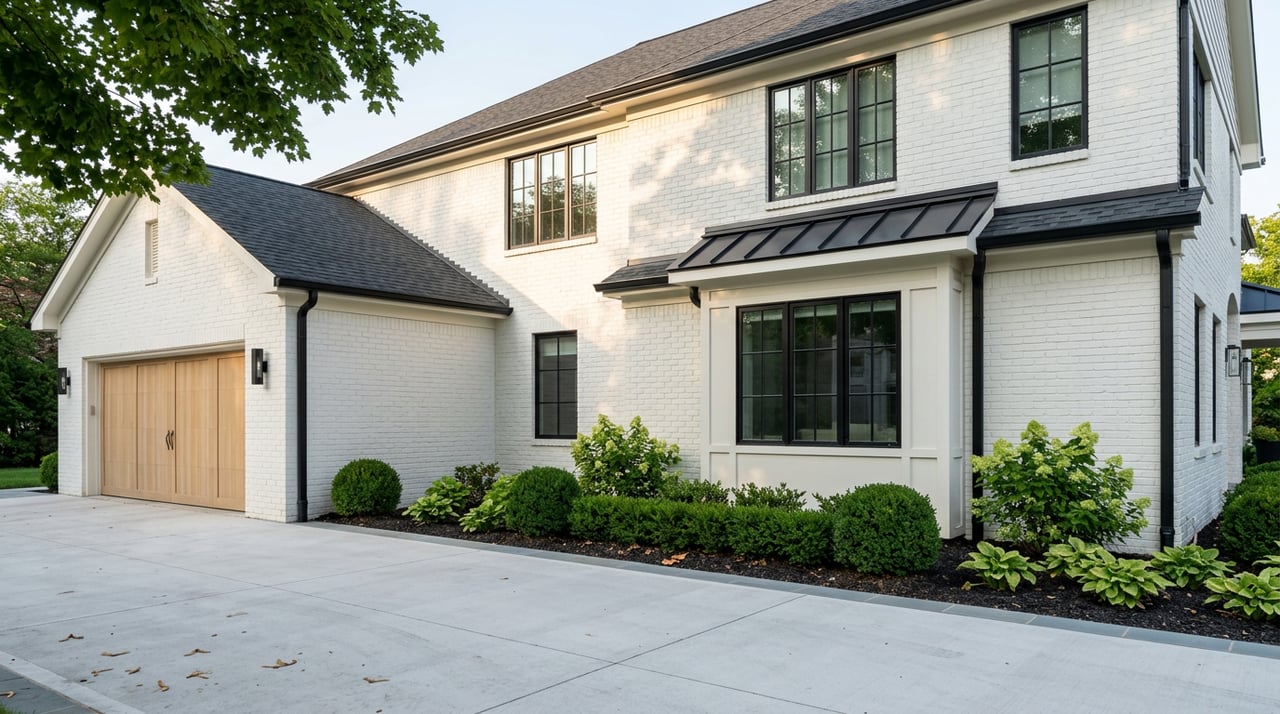
Thinking about building or buying a brand-new luxury home in Winnetka? In a market where desirable properties move quickly and median prices sit in the mid seven figures, getting your arms around costs, permits, and site constraints early can save you time and stress. You want clarity on what it really takes to go from idea to keys in hand. In this guide, you will learn the village rules that shape design, what luxury features to expect, realistic timelines and costs, and how to vet a builder with confidence. Let’s dive in.
Why Winnetka new construction stands out
Winnetka draws buyers for its established neighborhoods, proximity to parks and the lakefront, and commuter access into the city. Many buyers also value the area’s public school districts, including Winnetka Elementary District 36 and New Trier Township High School District 203, which are frequently cited in buyer decision-making. Enrollment reports and local coverage reflect continued community interest in these schools.
New construction is an active slice of the luxury segment. Inventory can be tight, so newer homes with modern layouts and energy-efficient systems often command attention quickly. If you want the latest finishes and a floor plan tailored to today’s living, a new build or recently built spec home can be a smart route.
Budget reality: price, taxes, and soft costs
Before you fall in love with floor plans, ground your numbers. Reported ranges for luxury custom construction around Chicago commonly run about $350 to $600+ per square foot depending on finishes and site complexity. See recent industry context in this NAHB summary from Chicago Agent Magazine for planning-level guidance.
Property taxes are a meaningful line item in Winnetka because assessed values are high. Many North Shore addresses show annual bills in the tens of thousands of dollars, though totals vary by property. Pull the specific parcel’s record to estimate taxes and factor that into carrying costs using the Cook County property record tools for Winnetka addresses.
Plan for soft costs on top of hard construction. Typical soft costs include architecture and engineering, permit and inspection fees, utility tap or sewer-related fees, landscape design and hardscape, insurance, and lender charges. The Village’s permit guide outlines permit categories and contact information so you can anticipate administrative steps and fees.
A smart budget also carries a contingency. Many custom projects hold 10 to 15 percent to cover unknown site conditions or owner-driven upgrades. Industry writers who work with custom builds recommend keeping your contingency intact until final inspections and closeout.
If you plan to finance, most lenders use construction-to-permanent loans with staged draws. Expect to provide plans, a detailed budget, and progress inspections tied to disbursements. Getting pre-approved early helps your team sequence design, permits, and ground-breaking without delays.
- Cost guidance: Chicago Agent Magazine on NAHB cost breakdowns
- Property research: Cook County property records for Winnetka parcels
- Village permits and fees: Winnetka permit applications and work requiring permits
- Contingency perspective: Custom-build cost and contingency insights
- Financing basics: Construction loan draw and documentation overview
Site, zoning, and permits that shape your home
Local rules often determine how big you can build, where you can place the home, and how long the process takes. Confirm these items early with your architect and builder.
Demolition and primary permits
Winnetka requires permits for most building work, including demolition, new construction, electrical upgrades, sewer work, roof replacement, and more. If you plan a teardown, note that a demolition permit must be accompanied by either a new-construction permit or an approved site-restoration plan. Build your permit strategy before scheduling demo to avoid costly delays. Review permit categories and contacts in the Village’s guide to work requiring permits.
- Key reference: Village of Winnetka permit applications and requirements
Zoning, lot coverage, and impermeable surface
Winnetka’s zoning ordinance includes roofed lot coverage caps and impermeable surface limits that vary by residential district. These controls directly affect your home’s footprint, garage size, and any accessory structures or outdoor hardscape. Verify the parcel’s zoning classification and setbacks before you finalize a site plan.
- Code reference: Winnetka zoning ordinance excerpts
Tree preservation and construction impacts
Mature tree canopy is part of the North Shore’s character, and Winnetka enforces tree-preservation rules. Tree removal generally requires a permit for protected trees that are 8 inches diameter at breast height or greater, and the Village may require a Tree Protection Plan during construction. The Village Forester can set mitigation or replacement conditions that affect site layout, staging, and landscaping.
- Tree guidance: Village of Winnetka Forestry and tree protection
Stormwater, drainage, and flood awareness
The area’s flood history and soil conditions make drainage planning important. Some projects require engineered grading or on-site stormwater mitigation. Expect to coordinate with your civil engineer and the Village on sump discharge, grading, and detention needs. If you are new to the area’s flood stories, this local overview is a helpful primer on the context.
- Local context: Winnetka’s history with localized flooding
Due diligence checklist for your lot
- Order a current ALTA survey and a geotechnical soils report before finalizing design. These documents help prevent foundation surprises and costly redesigns.
- Confirm setbacks, roofed lot coverage, and impermeable area limits for your zoning district.
- Identify protected trees and draft a plan for preservation or mitigation early.
- Map utilities, drainage paths, and any easements that could shift your footprint.
- Coordinate permit sequencing with your builder so demolition and new permits are ready on time.
Helpful timing guidance: How long a custom build typically takes from design to move-in
What luxury new builds include in Winnetka
Floor plans tailored to modern living
You will commonly see 4 to 7 or more bedrooms, often with multiple ensuite layouts, a large primary suite with a spa bath and dual walk-in closets, and a dedicated office or library. Main levels often combine formal rooms with an open family-kitchen-breakfast area for daily living and entertaining.
Kitchens and finishes buyers expect
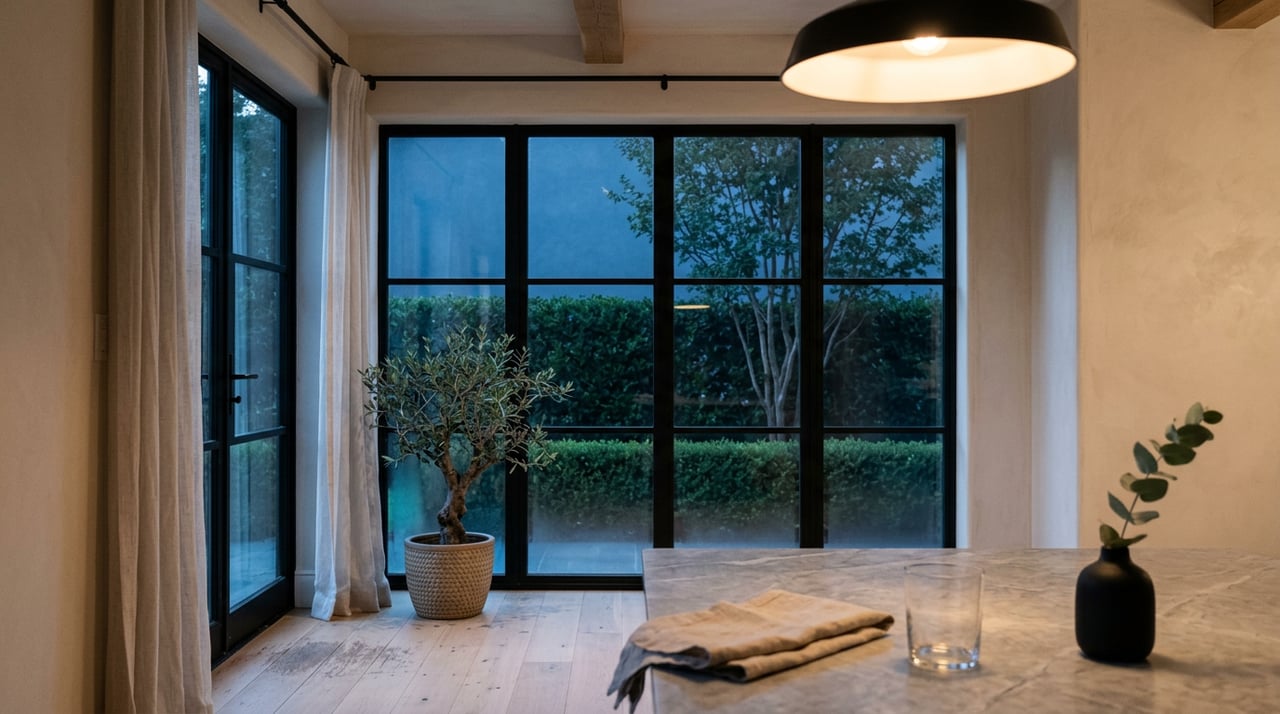
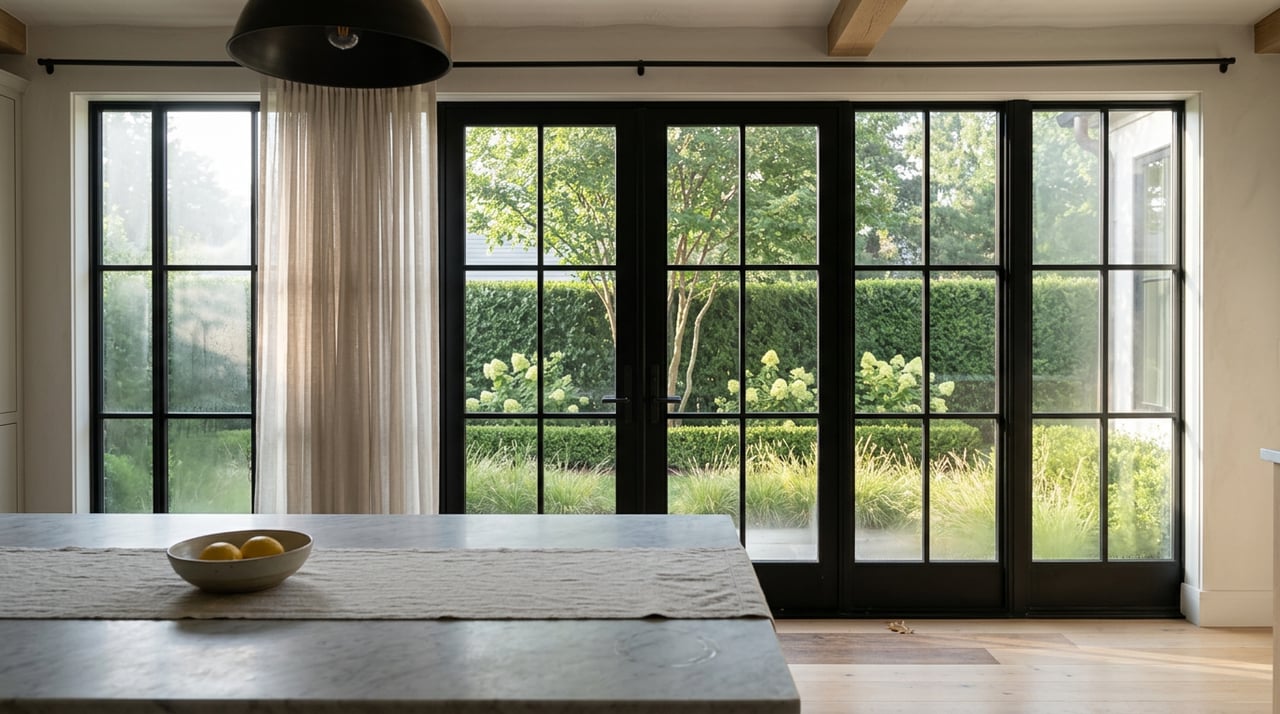
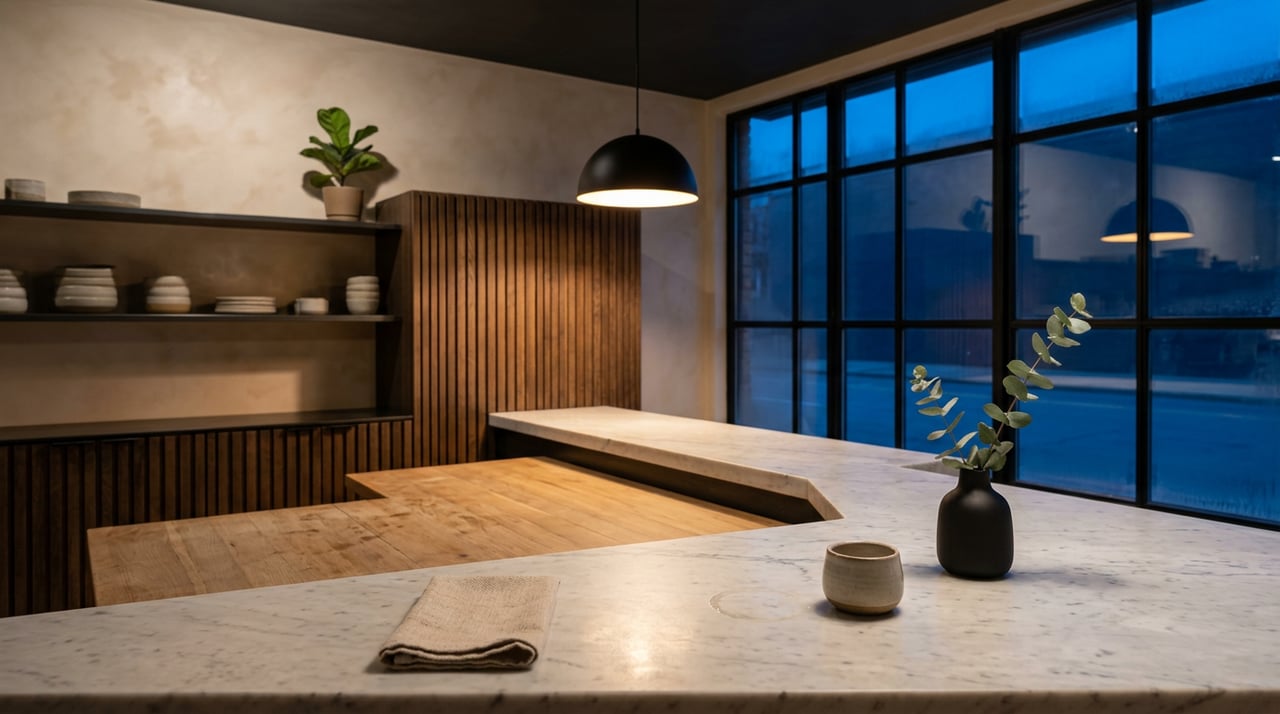
Chef’s kitchens typically feature a large island, custom cabinetry, a butler’s pantry, and high-end appliance packages from brands like Sub-Zero, Wolf, or Thermador. Finishes often include wide-plank hardwood floors, stone surfaces such as marble, quartz, or quartzite, designer tile, and high-performance windows. Many homes integrate covered outdoor spaces, bluestone patios, and landscaped yards, with pools where lot size and zoning allow.
Lower levels, systems, and tech
Finished lower levels often include recreation or media rooms, a gym, a wine room, and ample storage. Larger homes may offer elevators and laundry on multiple levels. System upgrades could include radiant heat in lower levels or baths, backup generators, and whole-home controls for lighting, security, climate, and AV.
Timeline from offer to move-in
Every site and design is unique, but planning ranges can help you sequence decisions and financing.
- Pre-construction: Site due diligence, survey, soils, schematic design, and Village reviews commonly take 2 to 4 or more months. Complex sites can take longer. See a national overview of design-to-permit milestones here.
- Construction: Foundation through finish often runs 8 to 14 months for many custom luxury homes in the Chicago area, with larger or more complex builds at 12 to 18 or more months. Winter weather and specialty material lead times can extend this.
- Total timeline: From design start to move-in, many buyers experience about 10 to 18 months. Build a little float into your plan so furniture deliveries and landscaping do not slip your occupancy.
Reference timeline: Design-to-build durations for custom homes
New build vs renovated: which path fits you
Why choose new construction
- Modern layouts with open main levels, generous storage, and flexible spaces for work and wellness
- New systems and building envelopes for energy efficiency and fewer near-term maintenance needs
- Clear finish schedules and builder warranties that outline what is covered and for how long
Explore warranty programs: What Illinois builder warranties typically cover
Why consider an updated or renovated home
- Potentially lower up-front cost and faster occupancy if you find a move-in-ready property
- Established lots with mature landscaping and traditional architecture that fits the neighborhood fabric
- Selective remodels can be cost-effective, though full-gut renovations may carry more unknowns in older structures
Appraisal and resale considerations
Lenders often rely on comparable sales of other new or recently renovated homes when valuing a new build. If your design is highly custom, your lender may require an as-complete appraisal and re-inspections before converting your construction loan to a permanent mortgage.
How to pick the right builder in Winnetka
A disciplined vetting process helps you compare apples to apples and avoid surprises.
- Portfolio and site visits: Ask for recently completed North Shore projects you can tour. Clarify what is standard versus an upgrade in each home.
- References: Speak with recent clients about schedule adherence, budget discipline, punch-list responsiveness, and warranty service.
- Insurance and compliance: Verify certificates of insurance and worker’s compensation. Confirm any local registration requirements with the Village and ensure your contractor can meet bond or inspection conditions tied to permits.
- Detailed specs and pricing structure: Require an itemized specification sheet. Decide if you prefer a fixed price or a guaranteed maximum price approach and document the change-order process.
- Payment schedule and draws: Tie payments to clear milestones and inspections so cash flow aligns with lender draws.
- Warranty clarity: Get warranty documents in your contract and confirm time frames for workmanship, systems, and structure.
Resource roundup:
- Village permits and contacts: Winnetka permit applications and work requiring permits
- Zoning limits that affect size and siting: Winnetka zoning ordinance excerpts
- Tree protection requirements: Winnetka Forestry
- Local flood context: Community overview of flooding history
- Cost planning: NAHB cost breakdown context
- Timeline expectations: Custom home durations
- Contingency planning: Custom-build budget guidance
- Construction financing: Loan draws and requirements
Your next steps in Winnetka
- Pull the parcel’s zoning and recent permit history with the Village. Confirm setbacks, coverage, and any demolition review triggers.
- Order an ALTA survey and soils report before you finalize design or submit permits.
- Invite three local builders to bid with the same detailed spec sheet. Ask for references and confirm insurance.
- Get pre-approved for a construction-to-permanent loan and align your draw schedule with the builder’s payment plan.
- Hold a 10 to 15 percent contingency and track it across selections and change orders.
Work with a senior-led advisor
Luxury new construction involves many moving parts, from design and code reviews to financing and closeout. You deserve a team that knows the North Shore and can coordinate the details. The AVE Group is a boutique, senior-led Compass team with developer and legal backgrounds that advises clients on new construction, lot acquisition, and premium listings across Chicago and the North Shore. If you want clear numbers, vetted local resources, and a plan that fits your goals, we are here to help.
Ready to talk through your options in Winnetka? Schedule a free consultation with The AVE Group.
FAQs
How much does luxury new construction cost in Winnetka in 2026?
- Planning-level ranges for luxury custom homes in the Chicago area commonly run about $350 to $600+ per square foot depending on finishes and site complexity, based on recent industry context.
What permits do I need for a teardown and rebuild in Winnetka?
- You will need a demolition permit plus either a new-construction permit or an approved site-restoration plan, along with other permits for utilities, mechanicals, and site work as outlined by the Village.
Do I need a permit to remove a tree during construction?
- Yes for protected trees; Winnetka generally requires a tree-removal permit for trees 8 inches diameter at breast height or greater and may require a Tree Protection Plan set by the Village Forester.
How long does a custom home build take from design to move-in?
- Many projects span about 10 to 18 months end to end, with 2 to 4 or more months for pre-construction and 8 to 14 or more months for on-site work depending on complexity and weather.
Are there zoning limits that affect my home’s size?
- Yes; roofed lot coverage caps and impermeable surface limits vary by zoning district, so verify setbacks and intensity-of-use limits before finalizing design.
Will I need stormwater or drainage engineering?
- Often yes; Winnetka’s flood history and soils mean some sites require engineered grading or on-site mitigation, coordinated with the Village during permitting.
How should I budget for surprises during construction?
- Hold a 10 to 15 percent contingency for unknown conditions or upgrades, and keep it separate from your base budget until closeout.
What financing do lenders require for a new build?
- Many banks use construction-to-permanent loans with staged draws; you will provide plans, a detailed budget, and allow inspections at milestones tied to disbursements.