Thinking about selling your Wilmette home in the next year? You want your place to stand out, sell faster, and net more — without sinking money into the wrong projects. Wilmette buyers look for fresh, functional spaces, strong curb appeal, and well‑maintained systems that fit the neighborhood. In this guide, you’ll learn which updates tend to deliver the best return, how to plan your timeline and budget, and when funding options like Compass Concierge can help. Let’s dive in.
What adds value in Wilmette
Wilmette blends historic charm with newer builds, and buyers often want updated finishes that still respect original character. Focus on improvements that show well in photos, ease buyer concerns, and align with neighborhood expectations. The goal is to increase appeal and reduce days on market without over‑improving.
Curb appeal that pays off
First impressions drive showings and offers. Small exterior upgrades can make a big difference.
- Lawn cleanup, pruning, fresh mulch, and seasonal plantings
- Pressure washing of siding, walkways, and driveway
- Paint touch‑ups, especially the front door and trim
- New entry hardware, house numbers, and lighting
- Refresh or replace a dated garage door
Avoid over‑landscaping or expensive hardscaping that does not match nearby homes. Keep the look clean, welcoming, and consistent with the block.
Kitchen refreshes that sell
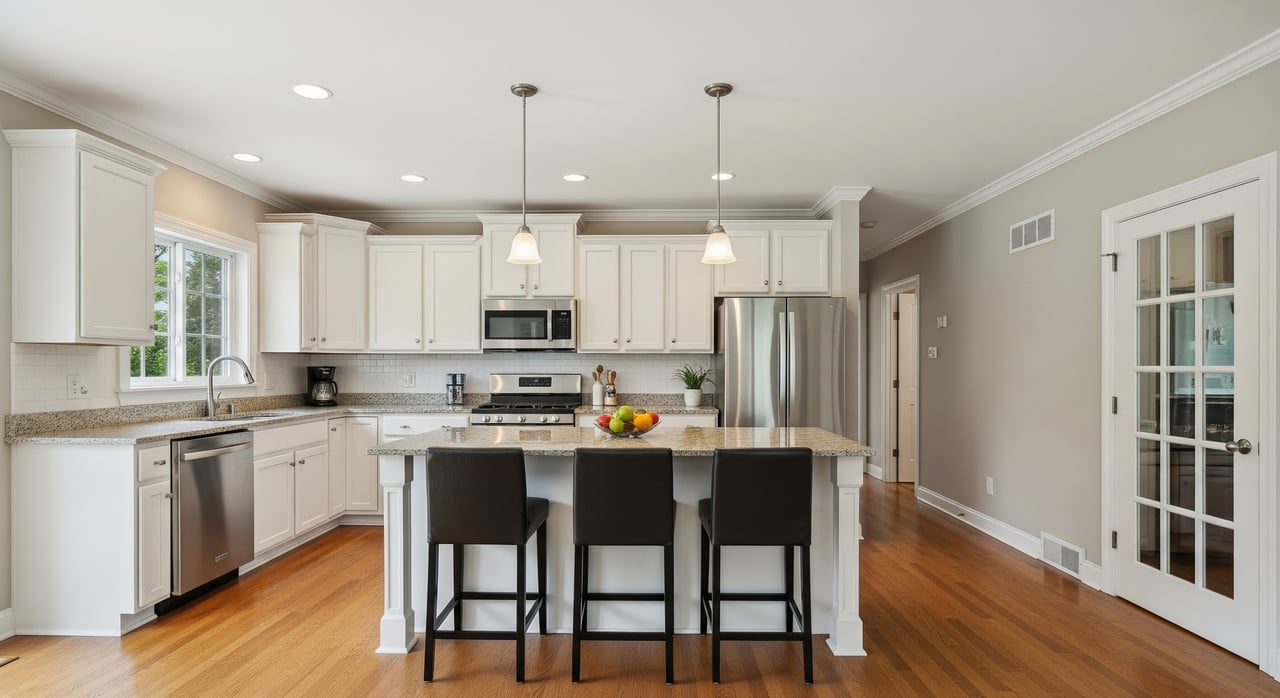
Kitchens are decision makers. Full remodels can be slow and costly, so targeted updates usually offer better short‑term ROI.
Focus on cosmetic updates
- Paint cabinets and replace hardware
- Update backsplash and countertops
- Replace worn flooring and add contemporary lighting
- Swap in stainless or energy‑efficient appliances if current ones are dated or failing
When to skip a full gut
If the layout works, cosmetic changes beat a full remodel for most 6–12 month timelines. Consider modest layout fixes only if the flow is a clear problem and the budget allows.
Bathrooms: midrange updates
Modern, clean bathrooms reduce buyer objections and photo drawbacks.
- Refinish tub or shower, regrout tile, and refresh caulk
- Replace vanity top, faucet, mirror, and lighting
- Improve ventilation and choose neutral finishes
Avoid over‑customized luxury materials that exceed neighborhood norms.
Lighting and neutral finishes
Lighting and paint transform how buyers feel in your home and how it photographs.
- Install contemporary, energy‑efficient LED fixtures
- Repaint in warm, neutral tones and touch up trim
- Replace tired carpet or repair damaged hardwood
- Update small details like switch plates and closet systems
Better lighting and neutral palettes help buyers picture their own life in the space.
Energy and systems: smart choices
Comfort and future energy bills matter in northern climates. Focus on quick, cost‑effective steps.
- Seal attic and common air leaks; add insulation where needed
- Service or repair HVAC; replace only if failing or very old
- Consider smart thermostats, LED lighting, and newer water heaters
- Address windows only if they are failing or severely drafty, then improve sealing and appearance
Federal or state incentives may apply for some upgrades. Check current programs early to improve payback.
Staging and small repairs
Non‑structural improvements are often the fastest wins.
- Professional or DIY staging in key rooms: living room, kitchen, and primary bedroom
- Deep clean, declutter, and remove personal items
- Fix leaky faucets, patch holes, paint scuffs, and replace burned‑out bulbs
- Clean windows, refresh carpets, and organize closets
These steps are usually low cost and can deliver strong perceived value.
Prioritize, budget, and time it right
A clear plan keeps you on schedule and protects your budget.
Prioritization checklist
- Safety and systems that could derail a sale: roof leaks, major HVAC issues, electrical hazards, or mold
- Cosmetic fixes that photograph poorly: paint, flooring, lighting, and fixtures
- Curb appeal and exterior repairs
- Kitchen and bath refreshes before any major remodels
- Staging and decluttering
- Energy efficiency and mechanicals if cost‑effective or incentivized
- Major remodels only if time, budget, and comps support it
Typical timelines
- 0–2 weeks: Declutter, deep clean, touch‑up paint, minor repairs, staging prep
- 2–6 weeks: Curb appeal work, lighting and fixture replacements, kitchen and bath refreshes, floor repairs
- 6–12+ weeks: Larger remodels, HVAC or window replacements, and any permitted projects
Contractor availability and permits can extend timelines, so start early.
Budgeting and bids
- Get 2–3 written bids per project with itemized scopes and timelines
- Set a 10–20% contingency for surprises
- Consider impact on marketability and days on market, not just raw ROI
- Use a pre‑listing home inspection to surface issues before buyers do
Fit finishes to neighborhood comps
Wilmette is a block‑by‑block market. Avoid over‑capitalizing with finishes that exceed nearby comparables. Choose updates that align with recent sales quality levels to protect your net proceeds.
Financing options for prep
You can fund pre‑listing work in several ways. Each has trade‑offs.
- Cash or savings: fastest and simplest
- HELOC or home equity loan: common choice, but requires qualification
- Personal or contractor financing: terms vary
- Bridge loans: more complex, best for larger projects
- Post‑inspection seller credits: sometimes useful, but less ideal for modernizing before listing
Compass Concierge: how it helps
Compass Concierge can advance the cost of eligible pre‑listing improvements, staging, and services. You repay the advanced funds at closing from the sale proceeds. The goal is to remove upfront costs so you can complete impactful work and get to market faster.
- Terms, eligible services, and any fees vary by market and by listing
- Not every home or seller will qualify
- Even with funding, you should get contractor quotes, define scope, and align upgrades with buyer expectations
Talk with a local Compass agent to confirm availability and whether Concierge fits your plan and timeline.
Permits and hiring in Wilmette
Some projects need approval before you start. Plan ahead to avoid delays.
- Permits are typically required for structural, electrical, major plumbing, and certain exterior work
- Homes in historic areas may need additional review for exterior changes
- If you have an HOA, follow design guidelines and approval steps
- Contact the Wilmette Village Building Department early to confirm requirements and timing
When hiring contractors:
- Verify licensing and insurance, including workers’ compensation
- Ask for Wilmette references and view similar completed projects
- Use a written, itemized contract with dates, payment schedule, and change‑order terms
- Check reviews, request lien waivers at final payment, and keep photos and records for disclosure
Preserve historic character
Many Wilmette homes feature millwork, built‑ins, and original windows. Keep period details where possible. Choose finishes that complement the home’s style rather than clash. Buyers who love North Shore character notice the difference.
Your next steps
- Order a pre‑listing inspection and a curb appeal walkthrough to set priorities
- Gather 2–3 quotes for each project with scope and timing
- Review local comps to match finish levels and avoid over‑spending
- If you are considering energy updates, check available incentives early
- Speak with a local Compass agent to evaluate Compass Concierge for your situation
Ready to map the best value‑add plan for your home and timeline? Connect with The AVE Group to get a tailored upgrade strategy, a clear budget, and a media‑forward launch that showcases your home at its best.
FAQs
Which upgrades add the most value in Wilmette?
- Targeted kitchen refreshes and strong curb appeal most consistently increase buyer interest in the short term.
Should I do a full kitchen remodel before selling?
- Only if timeline, budget, and nearby comparables support it; cosmetic updates usually deliver better short‑term ROI.
How far in advance should I finish the work?
- Complete cosmetic and staging work at least a week before listing, and finish larger projects before you go live.
Can Compass Concierge fund staging and repairs?
- Concierge is designed to fund eligible pre‑listing improvements, including staging and repairs, but terms and eligibility vary by market.
Do I need permits for my project in Wilmette?
- Structural, electrical, major plumbing, and some exterior work typically require permits; contact the Wilmette Village Building Department to confirm.